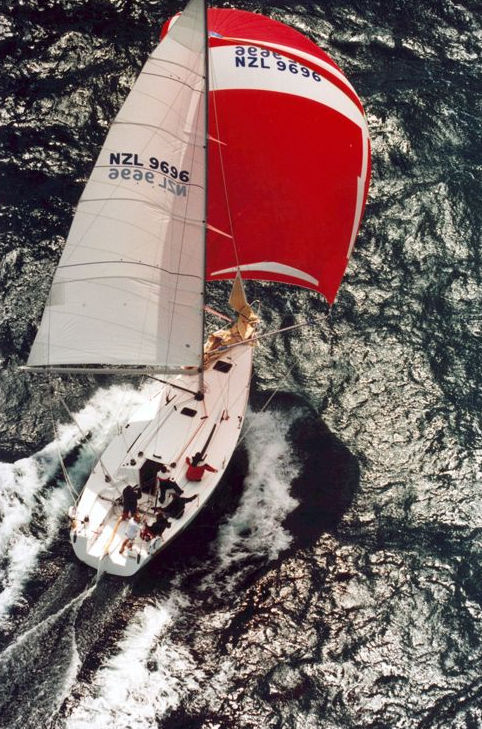
High Octane, a 40-foot (12.19m) keelboat designed by Hal Wagstaff in 1996.

Photograph by Terry Fong/AFA, reproduced courtesy of Hal Wagstaff / Profile: Photograph by and courtesy of Debra Douglas

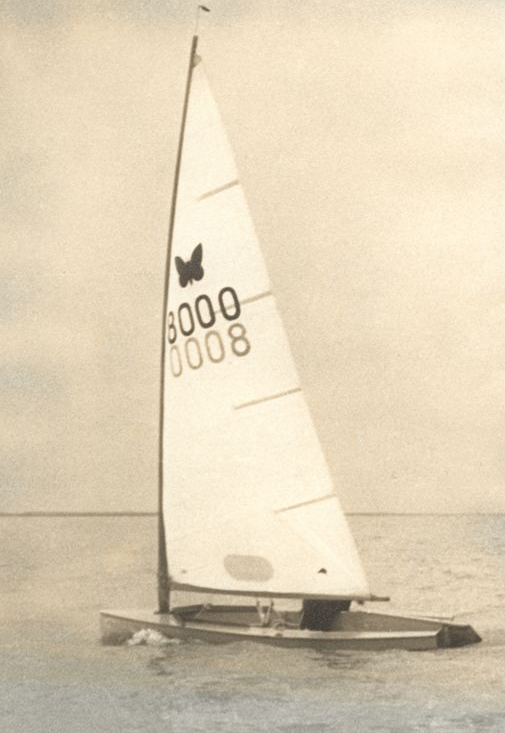
Puriri (1962) was the first New Zealand International Moth Class yacht – designed, built, and sailed by Hal Wagstaff.

Photographer unknown, reproduced courtesy of Hal Wagstaff

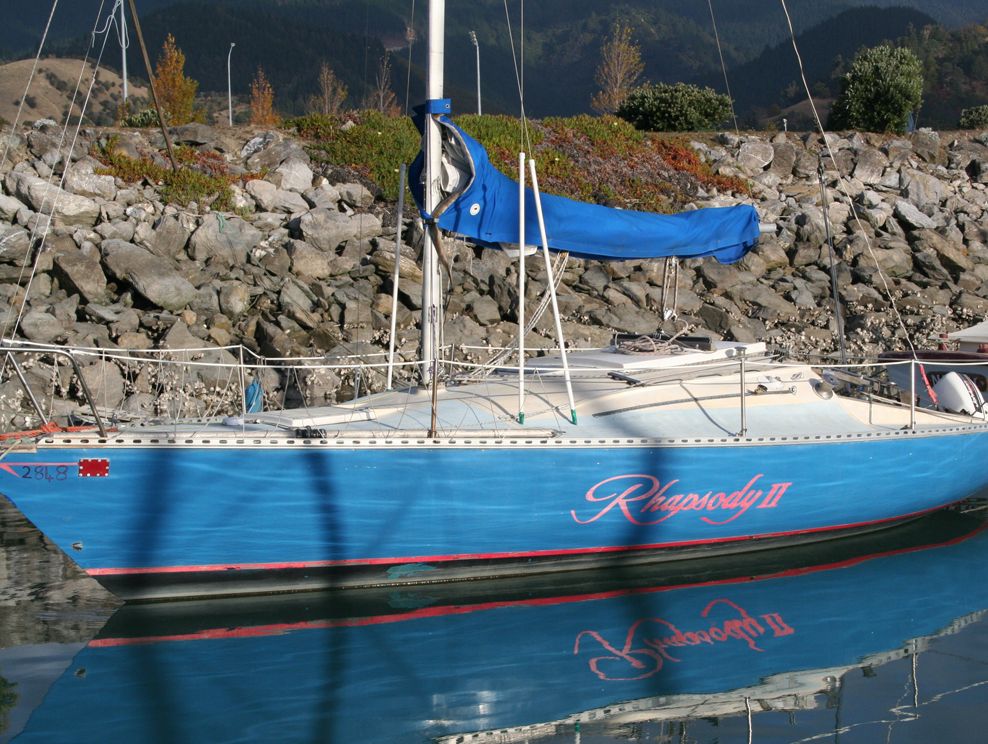
Rhapsody II, a Harmonic 24 keelboat. This class of yacht, with its beam wide at the deck and narrow at the waterline, was revolutionary for a light-displacement yacht when Hal Wagstaff designed it in 1973.

Photographer unknown, reproduced courtesy of Hal Wagstaff

HAL WAGSTAFF

(1930–2019)

Architect and amateur yacht designer Hal Wagstaff created several successful kinds of boats that have influenced contemporary yacht design.


** ‘Amateur’ by choice**

Hal Wagstaff came from a Wellington boating family – his father and grandfather helped found the Evans Bay Yacht Club, and his father built several small centreboarders. Wagstaff built his first yacht while still at school.

Wagstaff went on to study and practise architecture. Yacht design was always a hobby. He loved being an amateur – he didn’t feel the need to compromise his ideas by having to sell them.

HAL WAGSTAFF

Centreboard success

Wagstaff was close to centreboard celebrities the Mander brothers. Like them and Jack Brooke, he was influenced by boatbuilder George Andrews, a founding force behind the R Class in Canterbury.

This class of small but fast centreboarders appealed because it allowed considerable design freedom. Wagstaff’s yacht Chamois – dubbed the ‘perfect boat’ – won the Leander Cup three years running, 1960–62.

Inspired by Moth Class developments in Australia, Wagstaff then designed Puriri (1962). This boat became the basis for the International Moth – now a fast hydrofoil yacht.

HAL WAGSTAFF

Innovative keelboats

Wagstaff designed many keelboats too, winning a 1968 design competition run by Auckland’s Royal Akarana Yacht Club. He was also behind the innovative Admiral’s Cup triallist Vulcan.

Wagstaff was passionate about new technologies and materials, from plywood in the 1950s to fibreglass in the 1970s.

His Harmonic 24 keelboat (1973) had a revolutionary ‘flared hull’ and was nicknamed the ‘Flying Saucer’. It was a forerunner of contemporary light-displacement yachts like those, for example, by Jim Young and Greg Elliott.