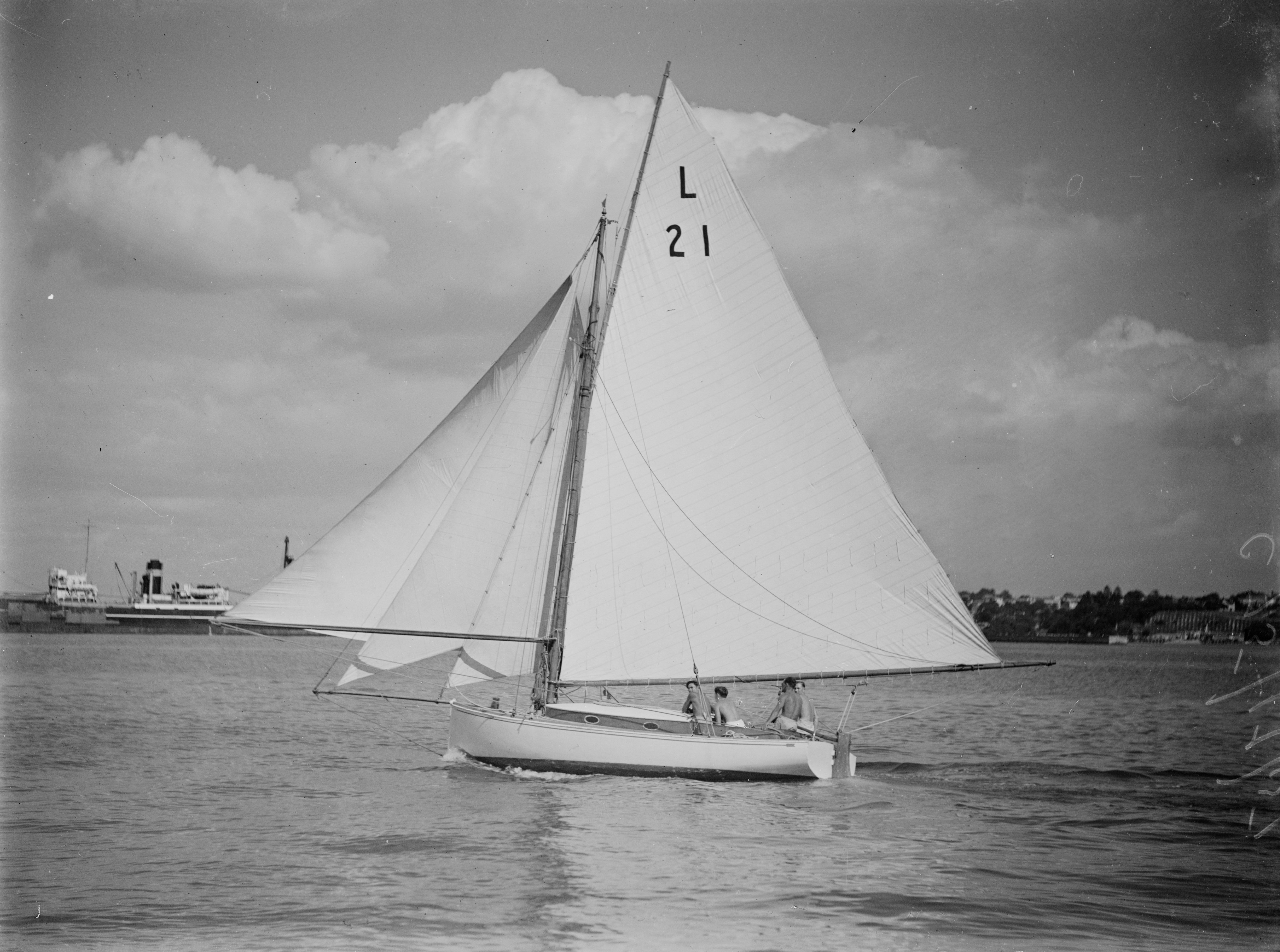
Percy Vos built Marika for Rolf Judd in 1934. This 22-foot (6.71m) mullet boat won in three Auckland Anniversary Regattas (1937, 1940 and 1951) and numerous club races.

Photographer unknown, reproduced courtesy of Auckland Museum Tamaki Paenga Hira, Marine Photos Collection (C36826)

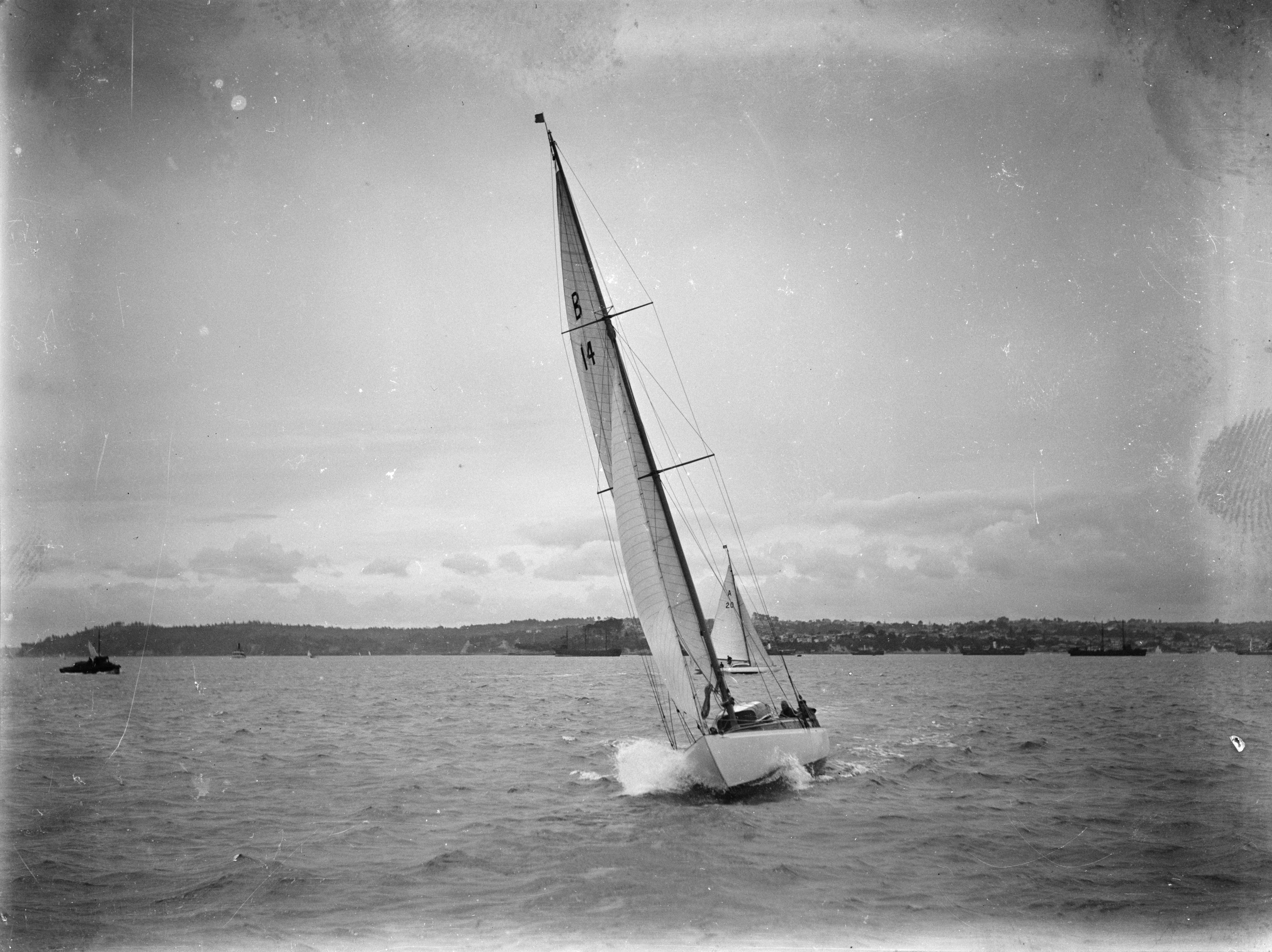
Percy Vos built Tangaroa (1936) for Jim Inkster to a design by Denmark’s K. Aage Nielsen. This 38-foot (11.58m) keeler was used mostly for cruising.

Photographer unknown, reproduced courtesy of Auckland Museum Tamaki Paenga Hira, Marine Photos Collection (C35381)

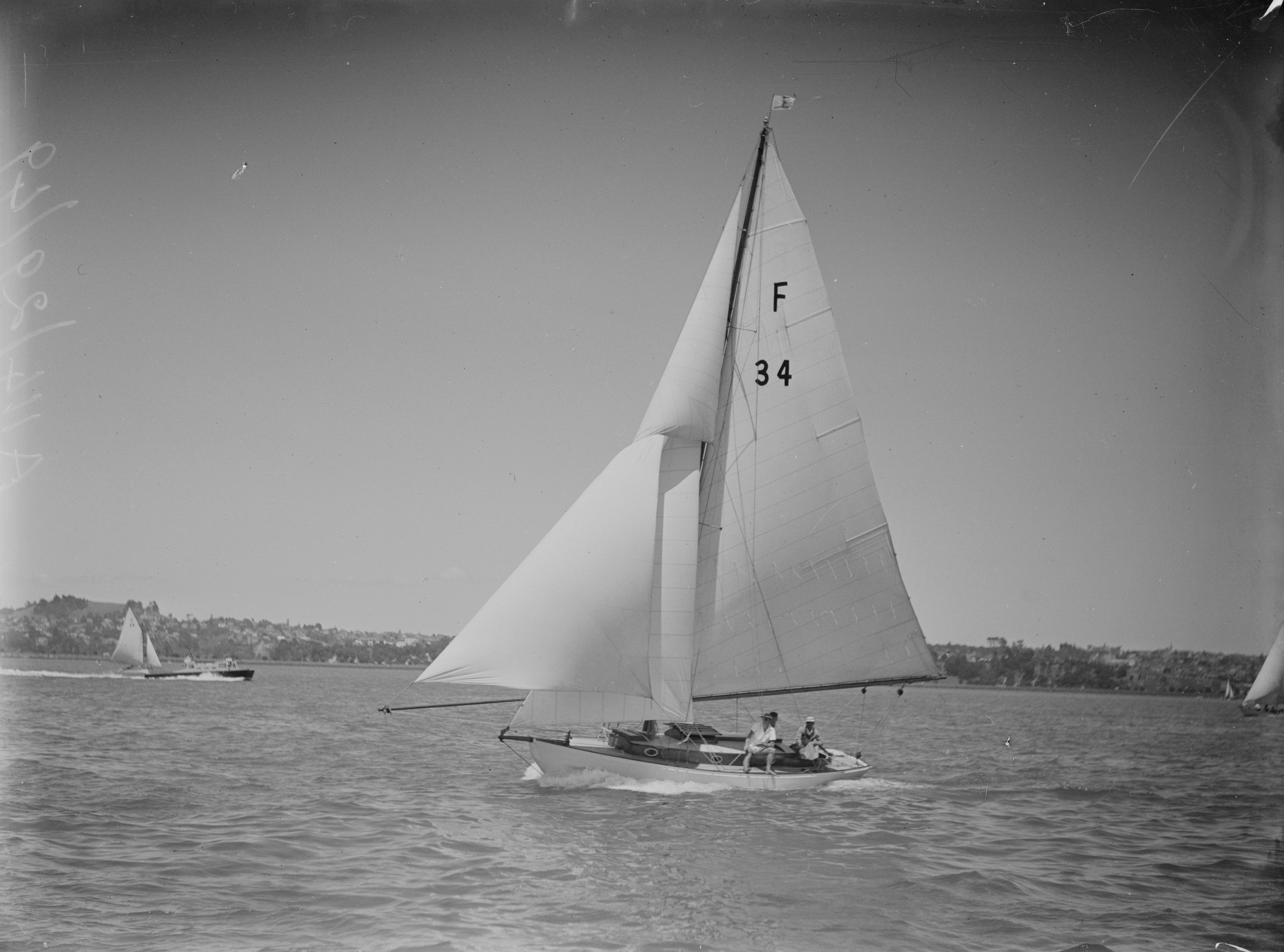
Percy Vos’s Escape (1940) stood out for her high-quality construction as much as her racing success. Designed and built by Vos, this 26.5-foot (8.11m) F Class keelboat features a three-skin kauri hull and immaculate finishing. She is still sailing.

Photographer unknown, reproduced courtesy of Auckland Museum Tamaki Paenga Hira, Marine Photos Collection (C35943)

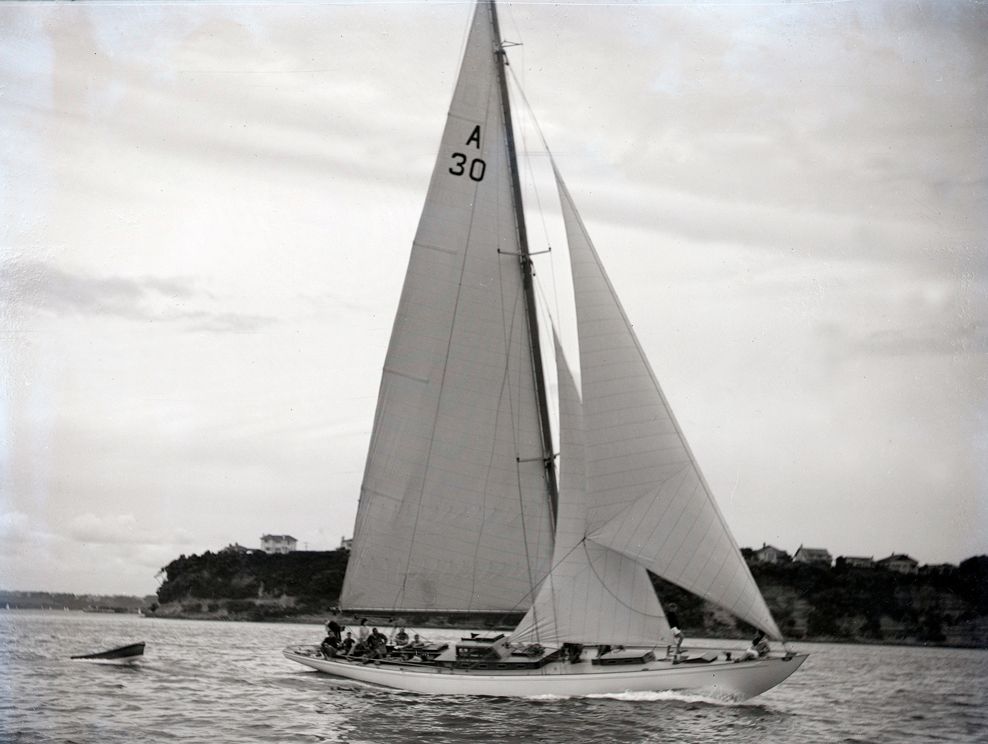
Percy Vos built the Arthur Robb-designed Kahurangi in 1952.

Photographer unknown, reproduced courtesy of Auckland Museum Tamaki Paenga Hira, Marine Photos Collection (C352977)

PERCY VOS

(1897–1972)

Prominent Auckland boatbuilder Percy Vos was known for his superbly built dinghies, keelboats, launches and work vessels from the mid 1930s.


Keel-yacht resurgence

Percy Vos was involved in the resurgence of keelboat building in the mid 1930s, when New Zealand began recovering from the Depression. He set up a yard in St Marys Bay, joining a number of other boatbuilders there. He was mentored by Ernie Harvey, whose teacher in turn was Charles Bailey Jr.

Image 1_Portrait of Percy Vos.jpg

Percy Vos and Laura Menzies launch MV Hukarere

Photographer unknown, New Zealand Maritime Museum Hui Te Ananui a Tangaroa (2003.123.2)

PERCY VOS

Early boats

In 1933, Vos built the 30-foot (9.14m) Argo (later lost in the stormy 1951 Wellington–Lyttelton race). He also designed a low-budget (the design cost ‘one guinea’) M Class Motiri in 1933. Then came Rambler, designed by Bert Woollacott. Vos adopted Woollacott’s system of boatbuilding with multiple moulds.

Next was Anita (1935), Bob Stewart’s first keelboat design, followed by boats by overseas designers.

From these early years, Vos surrounded himself with skilled boatbuilders, creating an environment where they would excel.

PERCY VOS

Wartime

During the war, Vos’s company was part of the consortium United Ship and Boatbuilders, producing wooden ships for the country’s war effort.

His Waipawa (1940), a 50-foot (15.24m) seine boat for Waitemata Fisheries, established a market for work boats. She set the benchmark for inshore fishing craft.

Vos’s self-designed 28-foot (8.53m) keelboat Escape had to wait for the war’s conclusion to be finished. After the war, she was extremely successful in Auckland races. Escape’s high-quality construction set the Vos yard apart. The boat was built from heart kauri wood, with immaculate finishing throughout.

PERCY VOS

Kahurangi – masterwork

After the war, the company’s main focus was on work boats, including pilot launches and ferries.

But in 1952, Vos won the commission to build Kahurangi, a striking and successful racer–cruiser. This 62-footer (18.2m) was designed by London-based Arthur Robb, who like Vos had been influenced by Bert Woollacott.

Last of the kauri yachts

After Vos’s death, the Vos yard built New Zealand’s last yacht made entirely from native kauri – Victoria (1974). This 72-footer (21.95m) replicated the famous American racer Ticonderoga designed by L. Francis Herreshoff. Five layers of kauri formed the hull.

Victoria could be seen as a tribute to the legacy of Percy Vos.


ON DISPLAY

See the P Class yacht Jan, built by Percy Vos in the Gallery of Yachts.