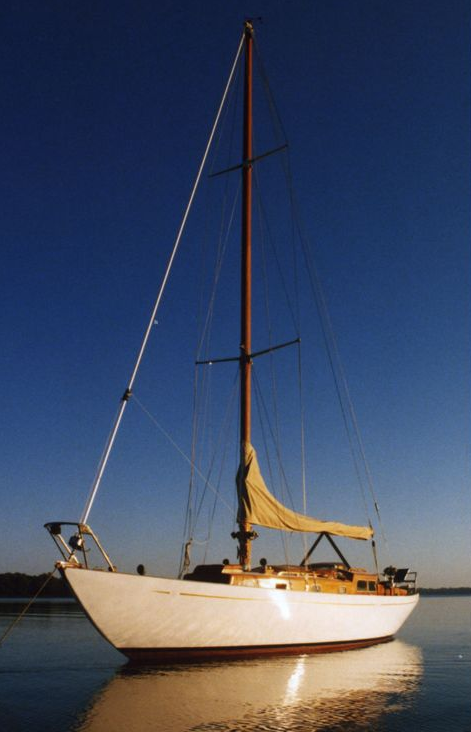
Simba, a Lion yacht, one of Arthur Robb’s most famous designs. Around 150 were built around the world.

Photograph by and courtesy of Gary Chamberlain / Portrait: Photographer unknown; Sea Spray Collection, New Zealand Maritime Museum Hui Te Ananui a Tangaroa

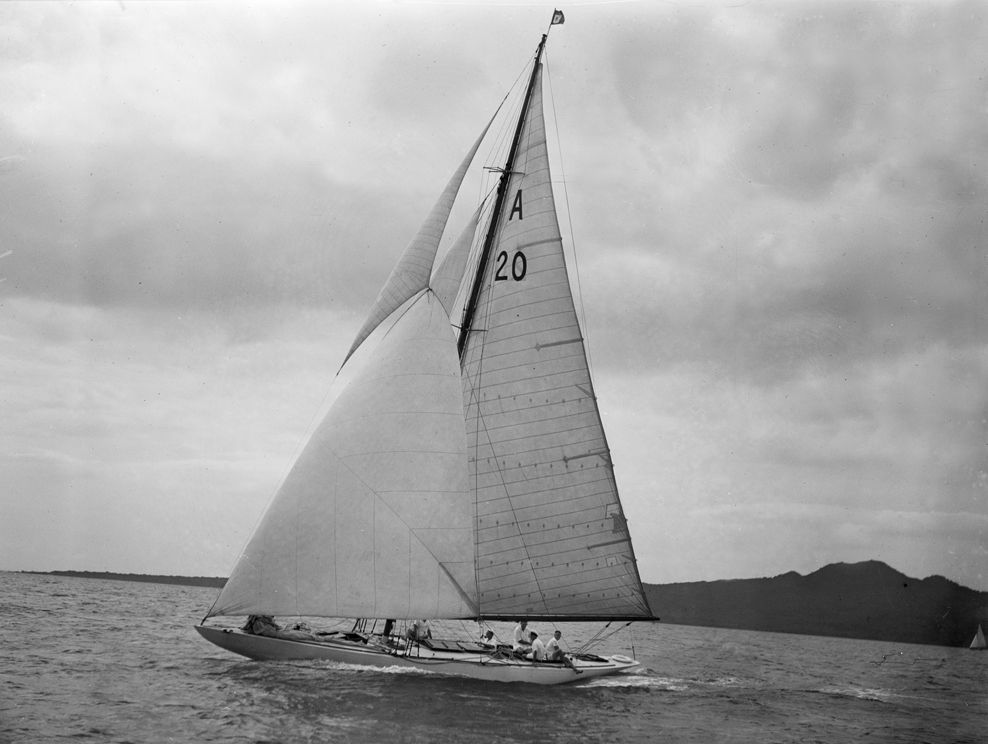
Arthur Robb’s Tamatea (1936), a 48-foot (14.63m) keel cutter, built by Bill Couldrey for the Newcombe brothers.

Photographer unknown, reproduced courtesy of Auckland Museum Tamaki Paenga Hira, Marine Photos Collection (C35208)

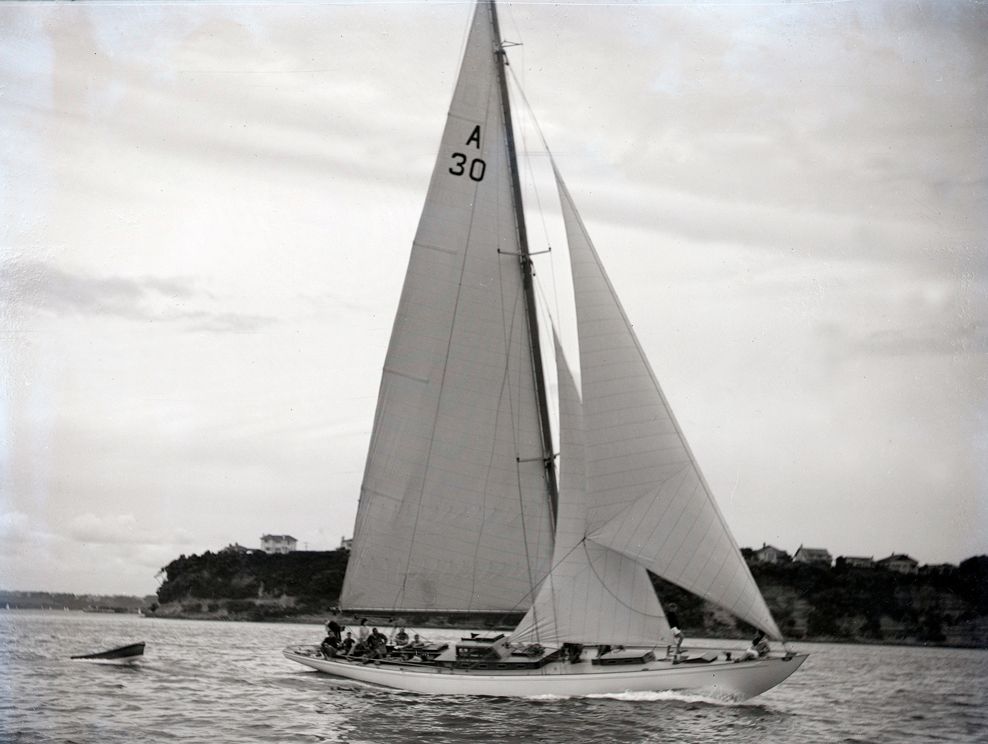
Arthur Robb’s Kahurangi (1952) was built for prominent Aucklander Lawrence Nathan. She was affectionately known as the ‘Big K’.

Photographer unknown, reproduced courtesy of Auckland Museum Tamaki Paenga Hira, Marine Photos Collection (C352977)

ARTHUR ROBB

(1908–69)

Arthur Robb has been described as one of the great yacht designers of his generation, known worldwide for his one-design racer–cruisers.


Early talent

Arthur Robb was born in Hawke’s Bay to a family of farmers and sailors. He first gained attention aged 16 as owner of the original Z Class dinghy Sport.

Robb’s talent as a yacht designer and builder soon became clear. His first notable design was the M Class Maia, which he built aged 20. He learned much of his art at Bert Woollacott’s kitchen table.

ARTHUR ROBB

The call of Britain

In the early 1930s, Robb left for Britain in the Naval Reserve. There, he worked at the Scottish boatbuilding company Morris and Lorimers.

He later designed Tamatea (1936) and Houhere (1939), the latter built for the legendary Leo Bouzaid. Both boats were successful racers.

After serving in World War II, Robb set up a yacht-design company in London, helped by his wife Susan. In 1947, he won a competition held by the Royal New Zealand Yacht Squadron for a new ‘one-design’ K Class yacht.

ARTHUR ROBB

Masterpiece

The 62-foot (18.9m) Kahurangi was Robb’s masterpiece, at least in New Zealand. The yacht was built in 1952 by Percy Vos and became a successful harbour racer and coastal cruiser. She was wrecked in the Caribbean in 1980 but has since been salvaged.

Robb later designed Kochab 11, which competed in the first single-handed trans-Tasman race.