Athol Burns.

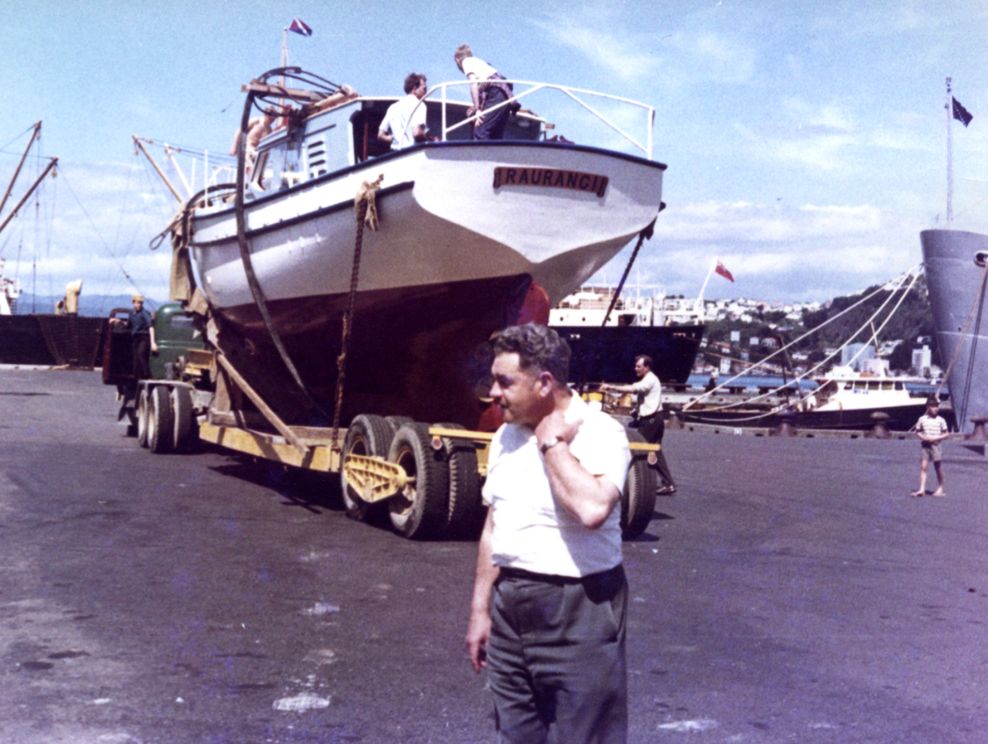
Photographer unknown, reproduced courtesy of Port Nicholson Yacht Club

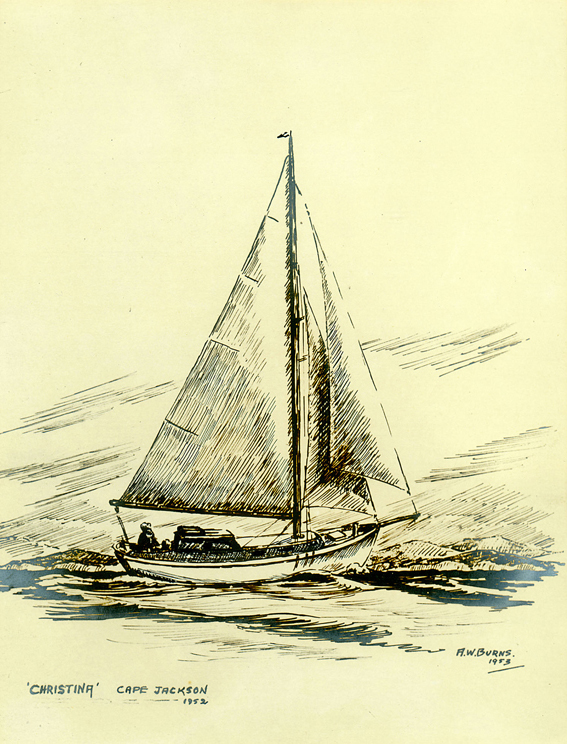
Painting by Athol Burns of the Tasman-voyaging Christina, built to a Burns design by Bill McQueen as a teenager.

Reproduced courtesy of Museum of Wellington City & Sea

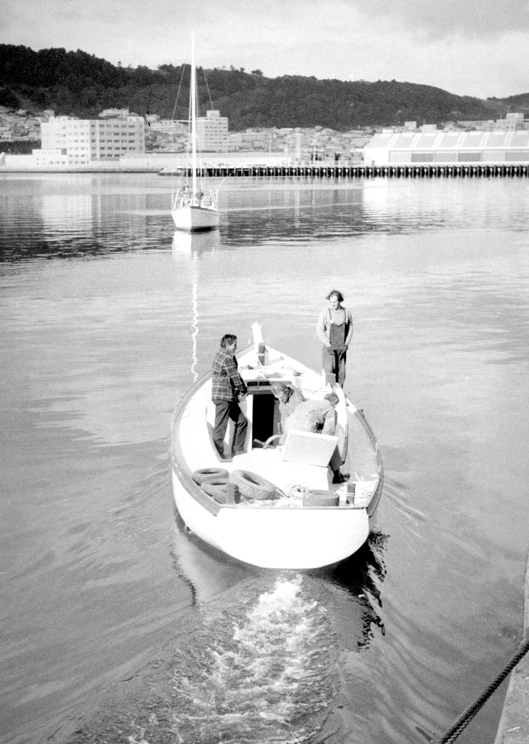
The 30-foot (9.14m) Judith that Athol Burns designed for Bill McQueen.

Photographer unknown, reproduced courtesy of Port Nicholson Yacht Club

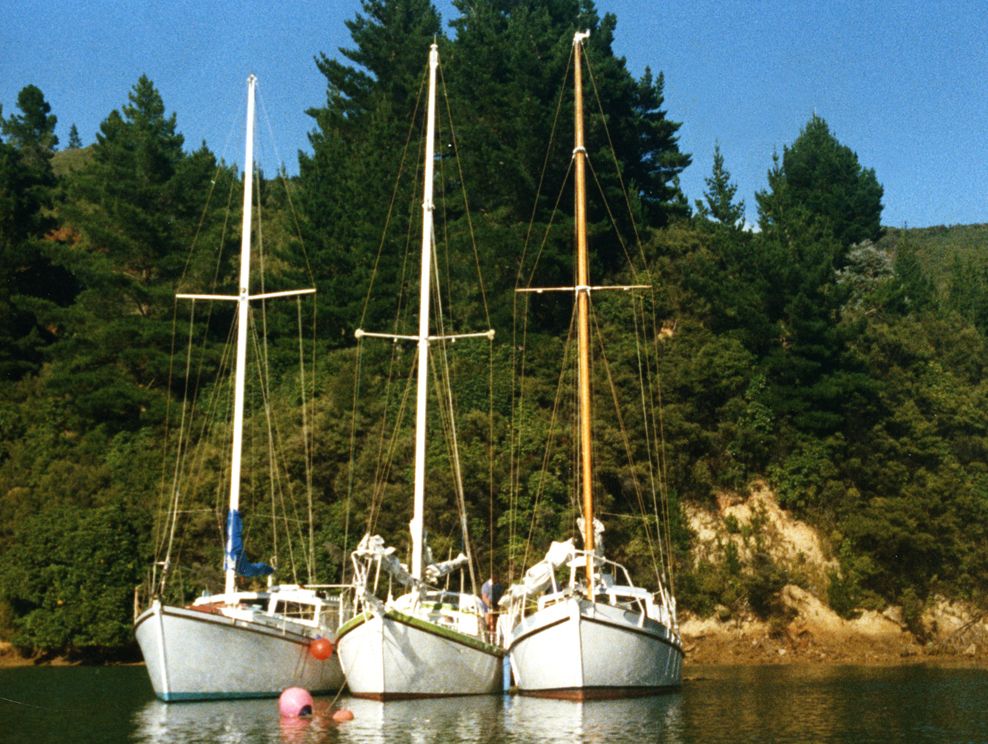
Three boats designed by Athol Burns, including Judith (centre).

Photographer unknown, reproduced courtesy of the Bill McQueen Estate

ATHOL BURNS

(1907–1999)

Wellingtonian Athol Burns designed more than 600 seaworthy yet stylish boats.


Learning the basics

Boat design was Athol Burns’ early passion, but he had few opportunities to pursue it.

He studied art by correspondence during the 1930s Depression. He showed his early boat designs to naval architects A. Adamson and W. McLean, who mentored him in applied mathematics and physics.

ATHOL BURNS

Professional success

Burns set up the boatbuilding company Craft Construction with engineer Norman Thomas. They produced launches, yachts and motor sailers.

In his own design practice – mostly from an office at home for some 50 years – Burns had significant success. The 39-foot (11.89m) Marco Polo (1955) was described by British Yachting Monthly as among the top six cruising-yacht designs.

Another well-known design was Christina. This 26-footer (7.93m) made a 13,000-kilometre journey from Wellington to Sydney and Townsville and back in 1956–57 – a considerable feat at the time.

Popular motor sailers included the 47-foot (14.33m) Rakoa and the 34-footers (10.36m) Oranui, Hinemoa, Taotane and Astrolinda.

ATHOL BURNS

Sturdiness and style

Sturdiness was a hallmark of Burns’ work. He designed boats to cope with heavy seas. He favoured wood or steel – he was suspicious of the longevity of fibreglass.

But seaworthiness was not at the expense of style. He once said, ‘You are really a sculptor … when you design a boat.’

ATHOL BURNS

The Burns legacy

Many of Burns’ boats survive him – testament to their quality. He also influenced young designers of the 1940s and 1950s, including John Spencer.

There was a level of irony to Burns’ success – he always got terribly seasick.