New Zealand's America's Cup winning yacht, Bermuda, 2017.

Photograph by Richard Hodder, courtesy of Emirates Team New Zealand

New Zealand’s America’s Cup Campaigns

Travel back through the years to explore the campaigns, the yachts and the rivalries that have defined each America's Cup New Zealand has participated in since 1987.
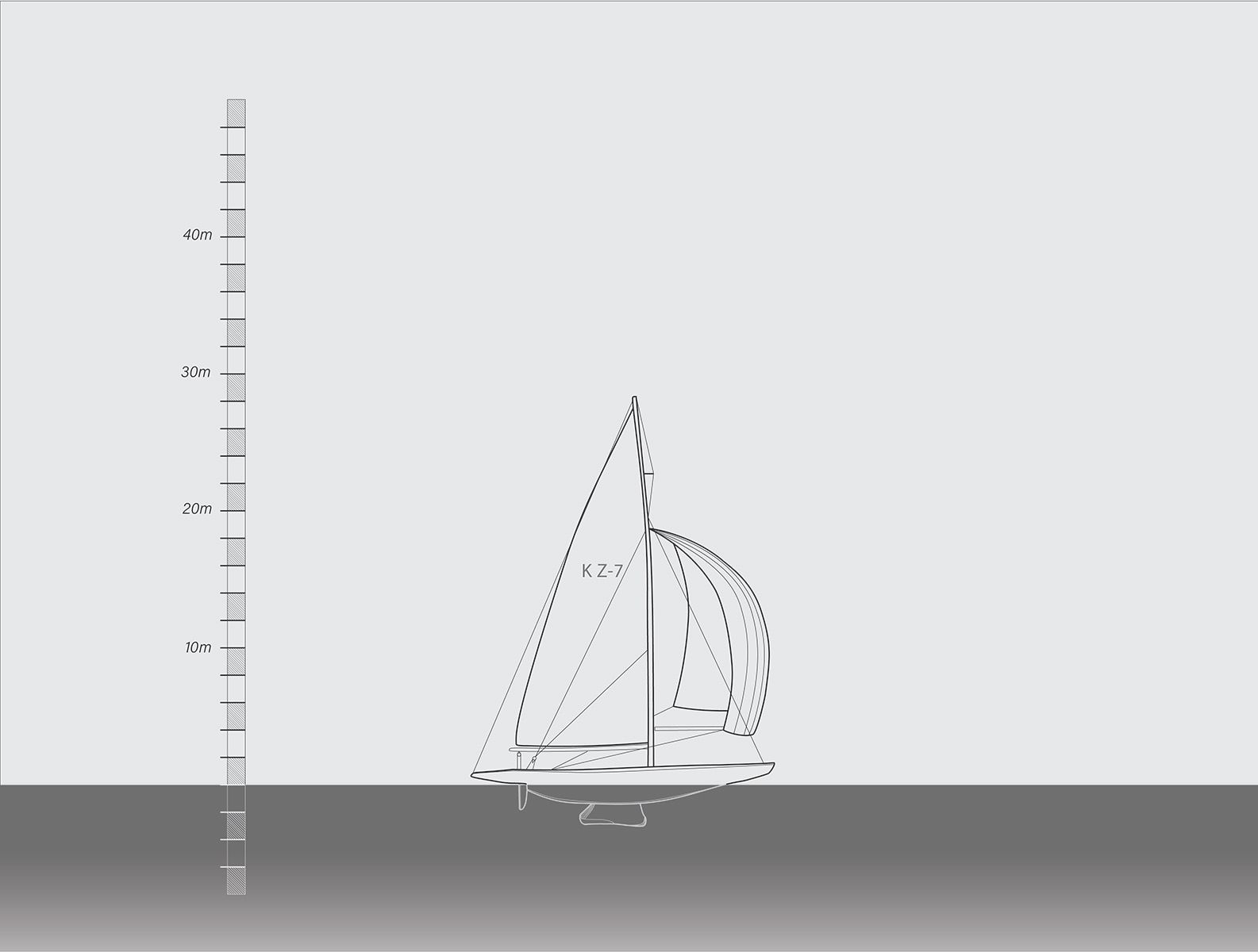
1987: KZ7 ‘Plastic Fantastic’

26th America's Cup
Fremantle, Australia

Until the Australians took the Cup to Perth in 1983, anyone brave enough to suggest that little New Zealand could match the United States in a sporting event dominated by technology and cash would have been a laughing stock.

With backing from merchant bankers Michael Fay and David Richwhite, the New Zealand Challenge made its debut in the 1987 America’s Cup sailed in Fremantle, Western Australia. The team built fibreglass 12-metre yachts, rather than using aluminium. This upstart challenge rattled the opposition and America’s Cup veteran Dennis Conner, who had lost to Australia at Newport in 1983, accused Team New Zealand of cheating.

Against the odds, the ‘Plastic Fantastic’ KZ7 romped through the challenger rounds winning 37 of 38 matches. The Kiwi charge was stopped (by Dennis Conner sailing for the San Diego Yacht Club) in the finals of the Louis Vuitton Cup.

Louis Vuitton Cup result

The San Diego Yacht Club (USA) beat the Royal New Zealand Yacht Squadron 4-1.

America's Cup result

The San Diego Yacht Club (USA) beat the Royal Perth Yacht Club (Australia) 4-0.

7WP02 KZ7 1987.jpg

Photographer unknown, reproduced courtesy of the New Zealand Challenge

1988: KZ1 ‘The Big Boat’

27th America's Cup
San Diego, United States

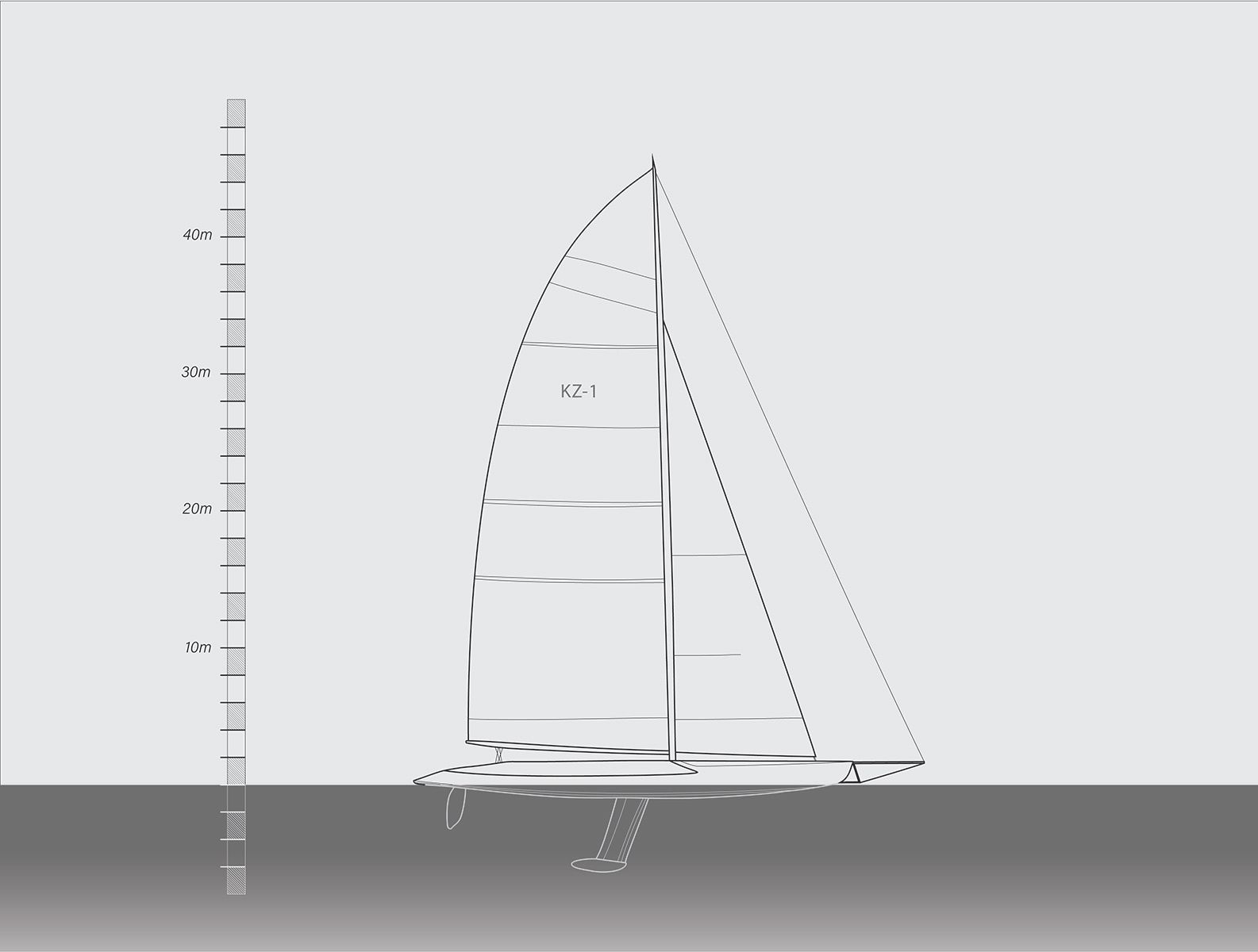
Not content to wait the usual three or four year Cup cycle, Sir Michael Fay, exploiting a loophole in the century-old Deed of Gift, demanded an immediate challenge in 1988. New Zealand's direct challenge to the San Diego Yacht Club meant there was no challenger series. New Zealand abandoned the established 12-metre class and returned to the 90-foot waterline measurement stipulated in the Deed of Gift.

The challenging yacht was KZ1, a massive carbon-fibre monohull with wings extending from the deck like an aircraft carrier. (The hull is on display outside the entrance to the museum.) Even in light winds, the crew had to sit out on the wings to keep the boat upright.

For the first time in the Cup’s history there were two different styles of boat racing each other: the Kiwis in a giant 90-foot waterline boat with a crew of 40, against Conner’s Stars & Stripes, a much smaller but faster hard-winged catamaran, with a crew of nine. Predictably, the cat won on the water and a protracted court battle followed. New Zealand lost, but once again the team had reshaped the event.

The 12-metres would never again sail Cup races and the America’s Cup Class yachts were born.

Louis Vuitton Cup result

Uncontested.

America's Cup result

The San Diego Yacht Club (USA) beat the Mercury Bay Boating Club (New Zealand) 2-0.

1992: NZL20 'Little Red Sled'

28th America's Cup
San Diego, United States

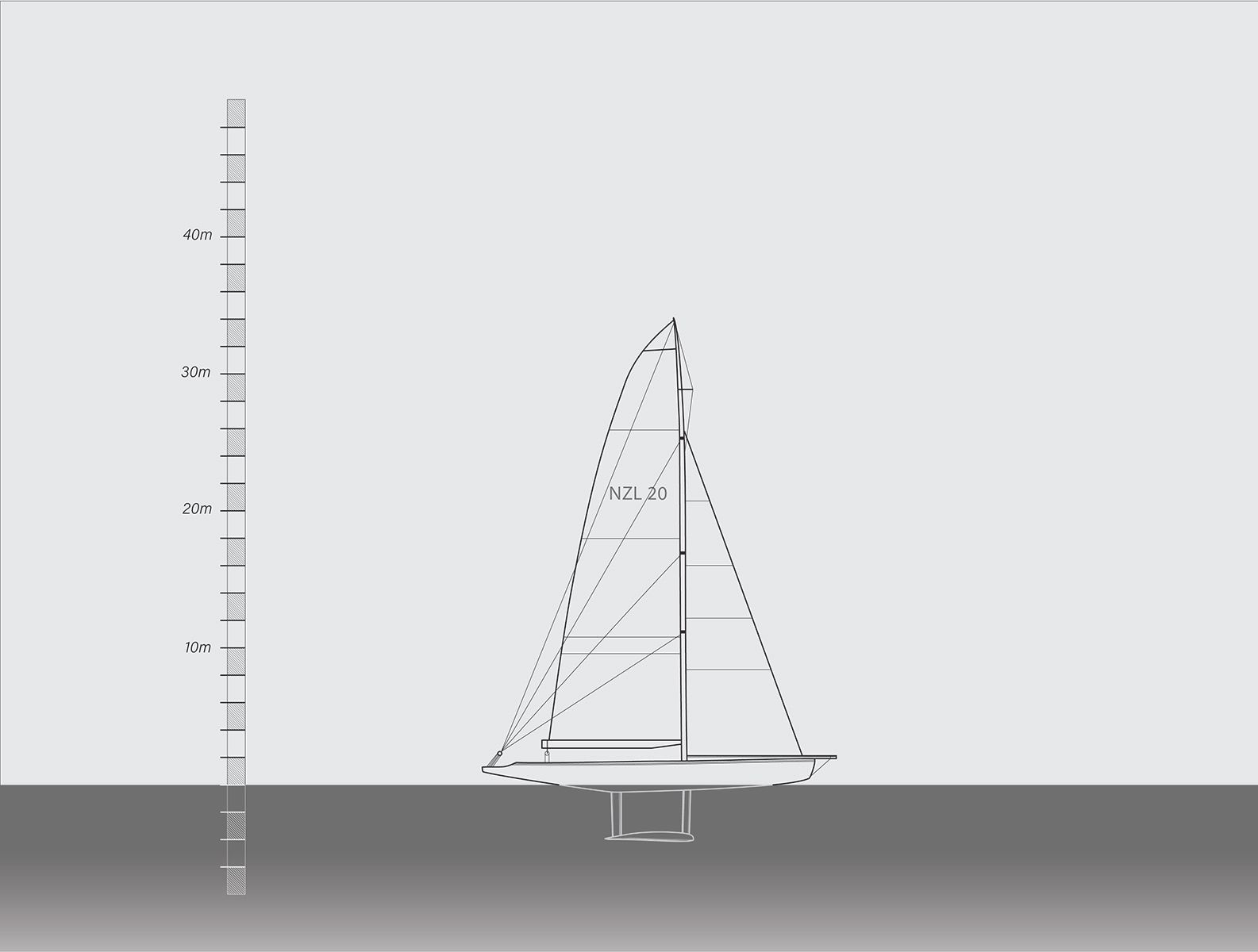
By 1992, New Zealand was recognised as a force to be reckoned with in America’s Cup racing. This edition marked the birth of the new America’s Cup Class yachts. The new rule was restrictive but allowed the designers enough leeway in decisions to make an impact on performance.

New Zealand built a short, wide and light Bruce Farr design, sporting an unusual double strut keel and no rudder. The distinctive NZL20 was dubbed a ‘skiff on steroids’. Skippered by Rod Davis, New Zealand rocketed through to the Louis Vuitton finals. But controversy erupted again when their Italian rivals, Il Moro di Venezia, mounted a campaign against NZL20’s bowsprit.

Leading the series 4–1, New Zealand (the team and the nation) watched in disbelief as the Italians came from behind to win by 5–3 and won the right to challenge for the America’s Cup.

Fay and Richwhite decided not to back further Cup challenges so Peter Blake, feeling that tiny New Zealand could indeed beat the mighty Americans, took up the banner. Blake mortgaged his house to pay the entry fee for New Zealand’s quest to win the next America’s Cup challenge.

Louis Vuitton Cup result

Compagnia della Vela di Venezia beat the Royal New Zealand Yacht Squadron 5-3.

America's Cup result

The San Diego Yacht Club (USA) beat Compagnia della Vela di Venezia (Italy) 4-1.

7WP02 NZL20 1992.jpg

Photograph by and courtesy of Daniel Forster

1995: NZL32 ‘Black Magic’

29th America's Cup
San Diego, United States

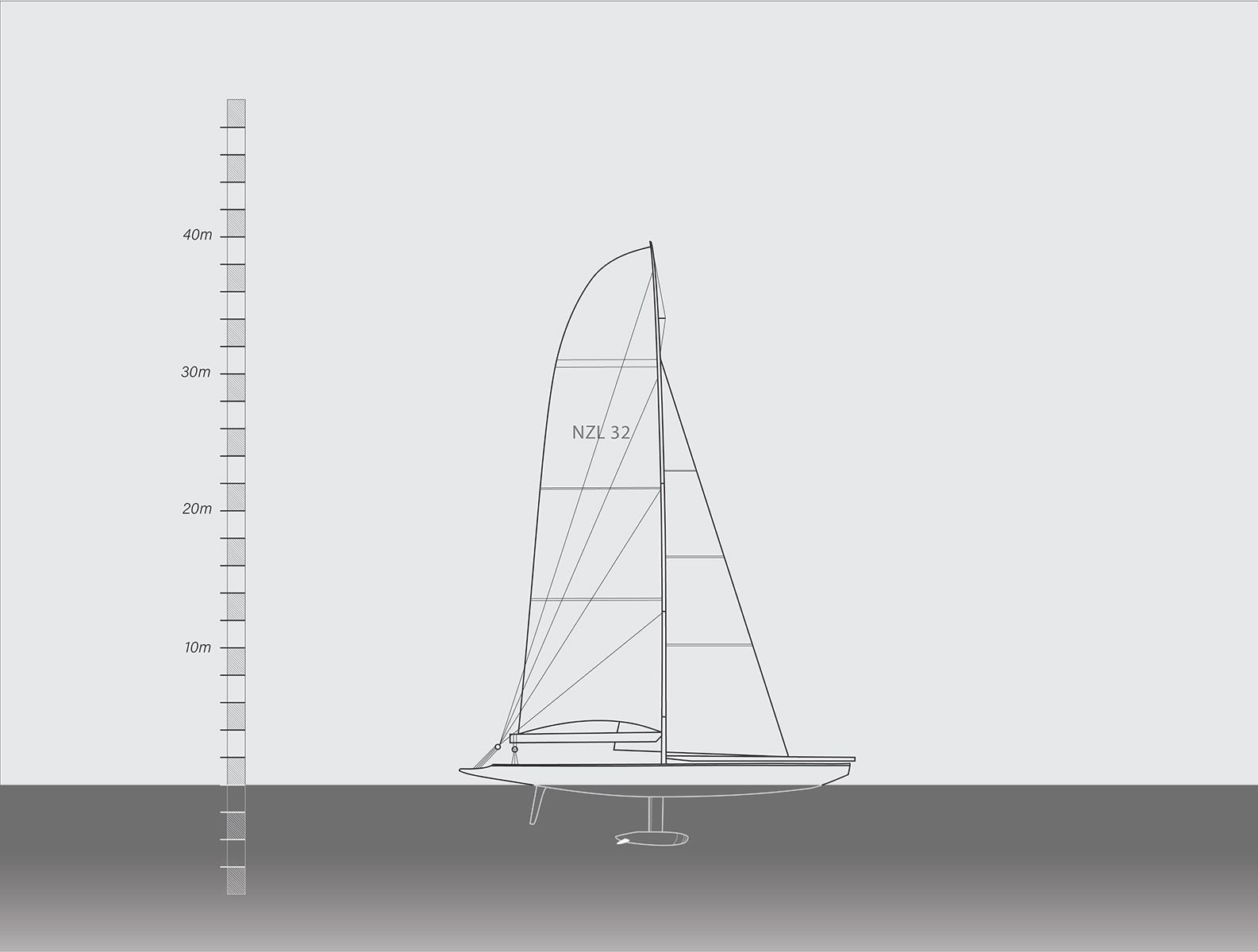
Peter Blake changed the team’s name to the simple Team New Zealand. The silver fern became an element of the logo, and then a masterstroke that everyone from the home of the All Blacks could relate to – the boats were painted black. The team concentrated on producing superbly designed and meticulously detailed yachts.

Skipper Russell Coutts built a superb sailing team and the ever-present Peter Blake kept the campaign on course and concentrated on securing the sponsorship to make it all possible.

New Zealanders sat glued to their television sets as Team New Zealand swept all before them in San Diego, with Sir Peter Blake and his now infamous 'Lucky Red Socks' on board.

For the Louis Vuitton challenger races, Team New Zealand had used NZL38 – their newer, second boat – and won 5-1 (the one race that they lost was when Peter Blake red socks were not on board).

For the subsequent America’s Cup races, Team New Zealand took the apparent risk of changing to their older boat – NZL32 'Black Magic' – which only they knew was faster.

Blake and his team continued on to America’s Cup victory with a 5–0 drubbing of Dennis Conner’s Young America. The 1995 campaign has been widely described as a textbook study of how to go about winning sport’s oldest and most elusive trophy.

As the Kiwis crossed the finish line in San Diego, television commentator Peter Montgomery delivered the memorable line "America's Cup is now New Zealand's Cup!"

Louis Vuitton Cup result

The Royal New Zealand Yacht Squadron beat the Southern Cross Yacht Club (Australia) 5-1.

America's Cup result

The Royal New Zealand Yacht Squadron beat the San Diego Yacht Club (USA) 5-0.

2000: NZL60 ‘Black Magic IV’

30th America's Cup
Auckland, New Zealand

Back in Auckland, Peter Blake and his team set about creating a venue like no other to stage the 2000 America’s Cup. Blake got financial backing from the Government and Auckland City Council to redevelop the Viaduct Basin and his vision transformed a run-down base for a few fishing boats into a one for America's Cup teams, including hotels, apartments, restaurants and public spaces.

In the eight years the America’s Cup was in residence at the Royal New Zealand Yacht Squadron, a thriving boat building and services industry grew in New Zealand worth more than a billion dollars, and the small Pacific island country became a holiday destination for millions.

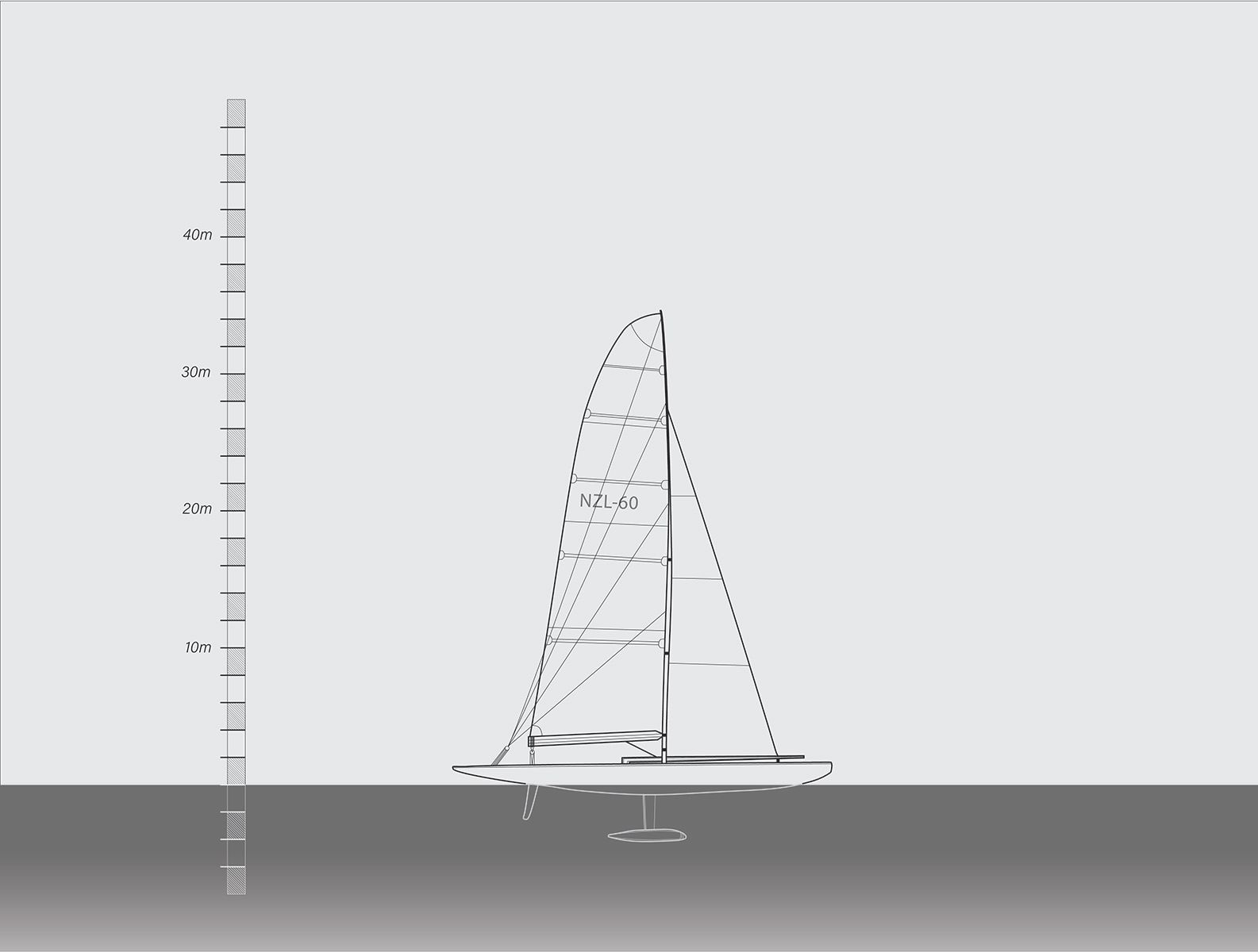
Meanwhile, the team began preparing its defence with Tom Schnackenberg heading design and Russell Coutts leading the sailing team. Eleven syndicates from seven countries turned up in Auckland.

After a bruising Louis Vuitton challenger series, the Italian team Luna Rossa won the right to challenge for the Cup. In a repeat of the 1995 result, Team New Zealand’s black machine NZL60 eliminated the Italian challenge by 5–0. Peter Blake, Russell Coutts and a young Dean Barker were national heroes. It was the first time a non-American team had successfully defended the America’s Cup.

Louis Vuitton Cup result

Yacht Club Punta Ala (Italy) beat St. Francis Yacht Club (USA) 5-4.

America's Cup result

The Royal New Zealand Yacht Squadron beat Yacht Club Punta Ala (Italy) 5-0.

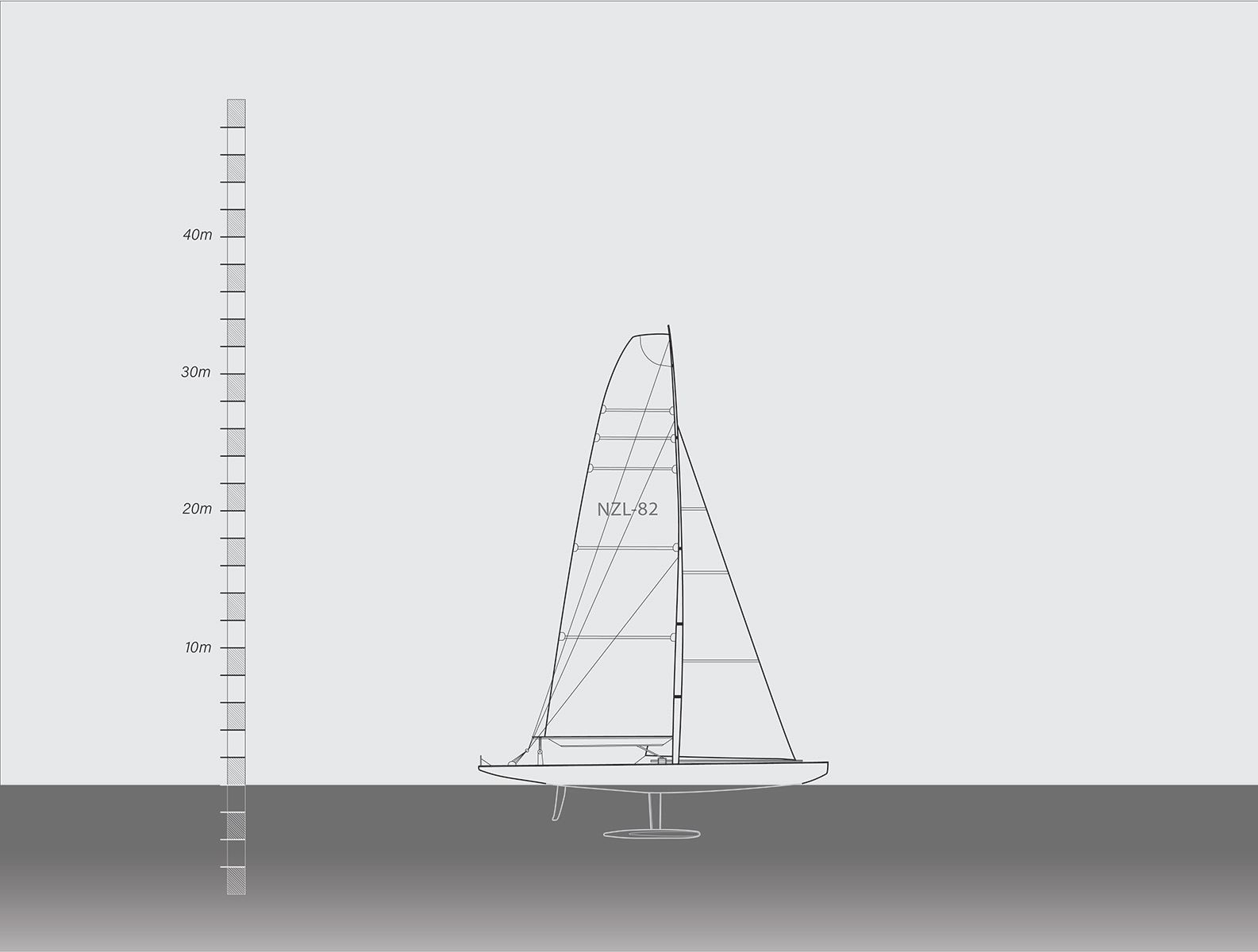
2003: NZL82

31st America's Cup
Auckland, New Zealand

Following the successful defence in 2000, Sir Peter Blake and his management team stepped aside. Within months Sir Peter Blake had been killed in the Amazon and Team New Zealand was beginning to fall apart. Key members of the team like Russell Coutts left to join other syndicates, most notably the new Swiss team Alinghi, established by Ernesto Bertarelli, a bio-technology billionaire.

Eventually, Tom Schnackenberg and the new directors were able to secure seed money to allow the team to begin rebuilding, but by then more than 30 crew members had been bought, mainly by Alinghi and One World. As the Kiwi journalist Ivor Wilkins said, “there was a pack of 9 hungry challengers, many of them supported by the richest men in the world and armed with transplanted Kiwi talents and ingenuity.”

This left Team New Zealand with an excellent but less experienced crew. It was hoped that innovative design features would give the yacht a speed advantage, but ultimately it suffered major reliability issues, which included a dramatic mast breakage. It was not to be. Team New Zealand lost the Cup 5-0 to its former teammates at Alinghi, paving the way for the new era headed by Grant Dalton.

Louis Vuitton Cup result

Société Nautique de Genève (Switzerland) beat the Golden Gate Yacht Club (USA) 5-1.

America's Cup result

Société Nautique de Genève (Switzerland) beat the Royal New Zealand Yacht Squadron 5-0.

7WP06 NZL82 racing SUI64.jpg

Photograph by and courtesy of Ivor Wilkins

2007: NZL92

32nd America's Cup
Valencia, Spain

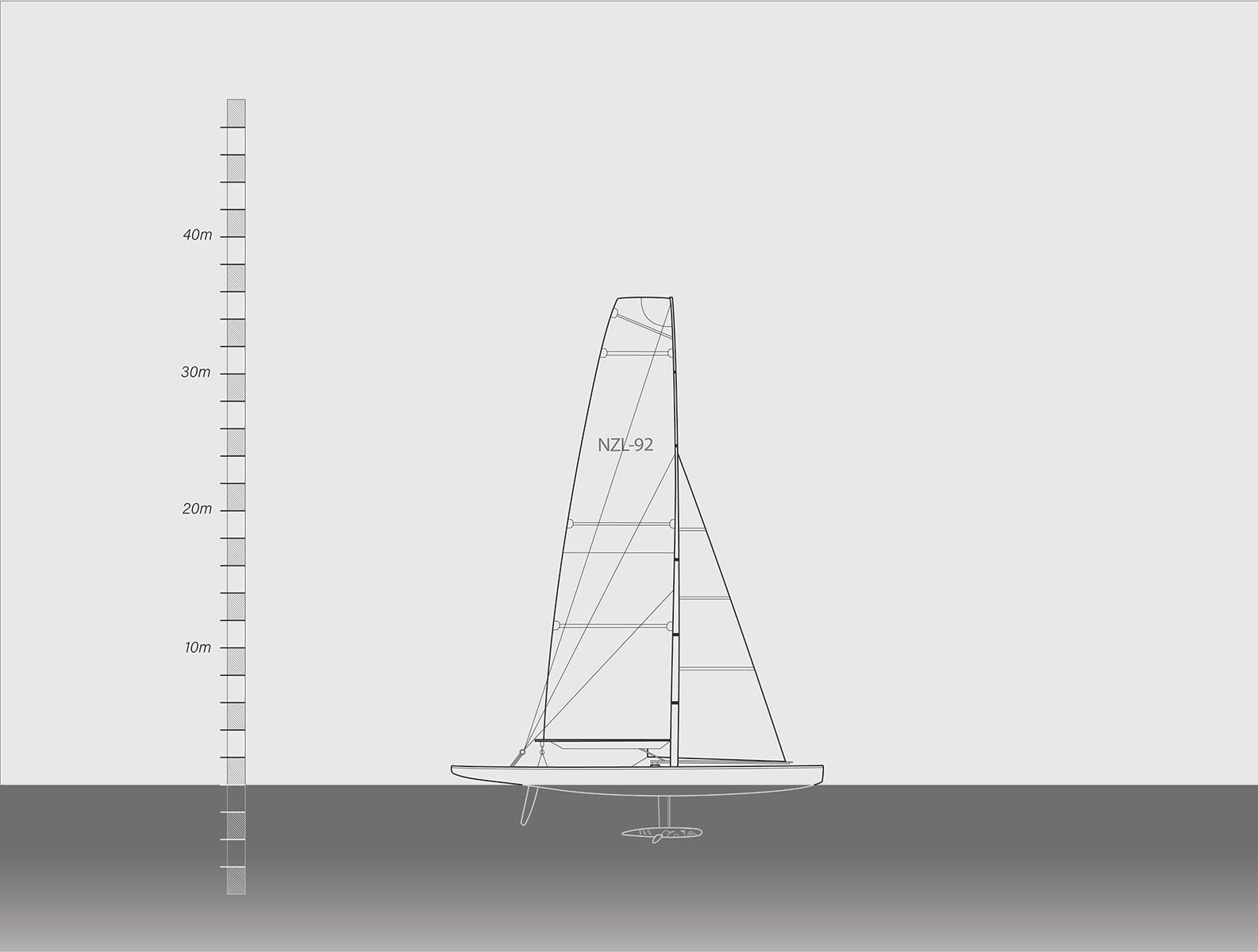
The team set about rebuilding and revitalising the challenge from the ground up for the 2007 America’s Cup. As a landlocked country with no access to the sea, the Swiss had to look for a coastal town and eventually the 32nd edition took place in Valencia, Spain.
Renamed Emirates Team New Zealand and under new CEO Grant Dalton, the new-look team emerged victorious in the pre-regattas and won the Louis Vuitton Cup gaining the right to face off against Alinghi for the America’s Cup match.

New Zealanders, eager to support their team, flooded into Valencia. With New Zealand flags draped across their shoulders, they lined the canal as the yachts made their way from the harbour to the race course.

The racing that followed has been described as the most thrilling ever; no one will forget Alinghi’s winning margin of just one second in the last race.

Louis Vuitton Cup result

The Royal New Zealand Yacht Squadron beat Yacht Club Italiano (Italy) 5-0.

America's Cup result

Société Nautique de Genève (Switzerland) beat the Royal New Zealand Yacht Squadron 5-2.

7WP06 NZL92 Spain 2007.jpg

Photograph by Chris Cameron, courtesy of Emirates Team New Zealand

2013: NZL5 'Aotearoa' AC72

34th America's Cup
San Francisco, United States

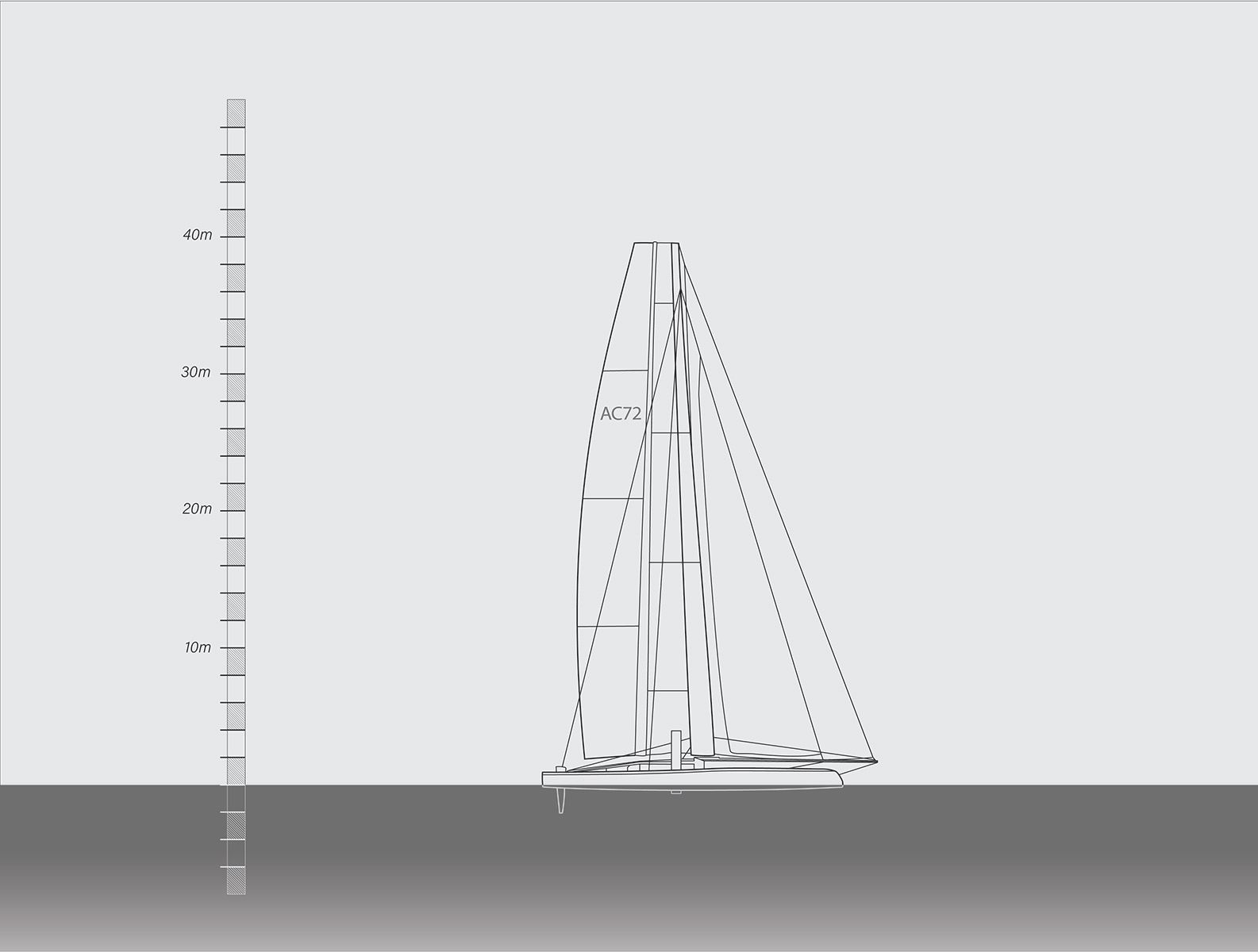
The 34th America’s Cup marked a turning point in the history of the event. The defenders, Oracle Team USA, chose a new format for the races and introduced a completely new style of yacht, the AC72 class – a catamaran capable of ‘flying’ over the water on its hydrofoils. This technique is known as ‘foiling’, and had first been achieved by the New Zealand team during testing on the waters of the Hauraki Gulf in Auckland. Soon all the teams were flying above the water at speeds over 40 knots.

Some spectacular sailing was seen on San Francisco Bay, with Emirates Team New Zealand leading the charge through the challenger elimination series. Eventually Emirates Team New Zealand and Oracle Team USA met at the start line. Another chapter in the 162-year history was about to be written.

Emirates Team New Zealand quickly dominated Oracle Team USA and, with the score at 8-1, were confident of winning. However, in a stunning and unforgettable turnaround, Oracle began to claw their way back, taking the Cup with a final score of 9-8.

It was a devastating blow to a country with such a rich sailing background, and to people for whom the America’s Cup meant so much. Many wondered if it would ever be possible to come back from such a painful loss.

Louis Vuitton Cup result

The Royal New Zealand Yacht Squadron beat Circolo della Vela Sicilia (Italy) 7-1.

America's Cup result

Golden Gate Yacht Club (USA) beat the Royal New Zealand Yacht Squadron 9-8.

2017: AC50

35th America's Cup
Bermuda

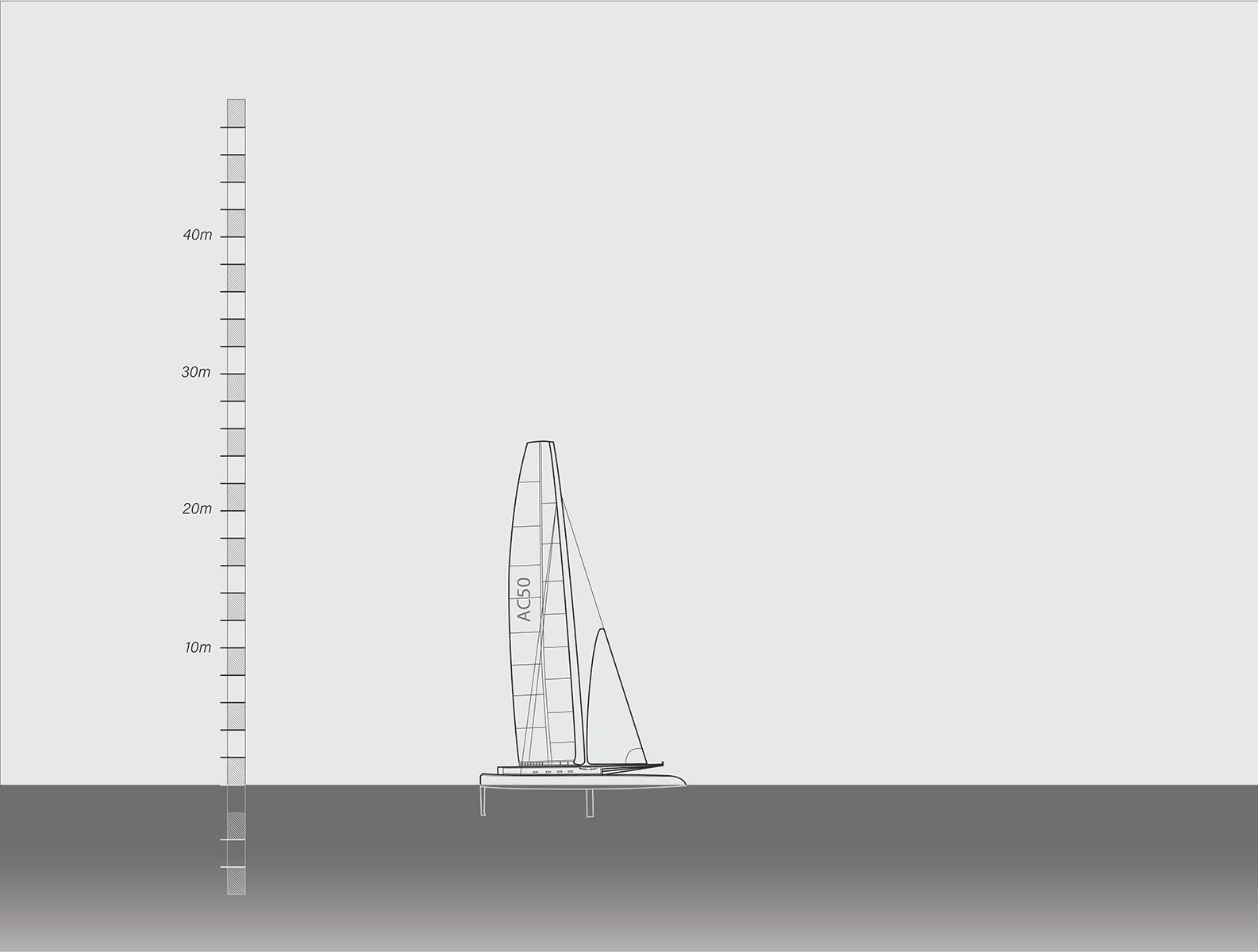
After the brutal defeat in San Francisco, Emirates Team New Zealand quietly rebuilt a refreshed young and hungry team skippered by Glenn Ashby and helmed by Olympic Gold medalist Peter Burling. Developing the campaign in their home base rather than Bermuda with the other syndicates, the Kiwis continued to innovate and push the boundaries in secrecy. They surprised the sailing and America’s Cup world by launching a revolutionary boat with ‘cyclors’ powering their AC50 catamaran.

The boat concept was so far advanced there was no time for it to be replicated this time. In an expanded format to the challenger series, in which the America's Cup defending champions were also racing, Emirates Team New Zealand won all of the double round robin races except the two races against Oracle Team USA, providing the American team with a false sense of hope.

Coming back from a near catastrophic capsize, the Kiwis beat Land Rover BAR in the semi-finals and then the Swedish team Artemis Racing to the Louis Vuitton Challenger Trophy, providing the ticket for a heavy weight rematch against Oracle Team USA. Emirates Team New Zealand’s push for redemption was swift, a dominant display blew Oracle Team USA away 7-1 and the Kiwis won the America’s Cup for the third time.

Louis Vuitton Challenger’s Trophy result

The Royal New Zealand Yacht Squadron beat Kungliga Svenska Segelsällskapet (Sweden) 5-2.

America's Cup result

The Royal New Zealand Yacht Squadron beat the Golden Gate Yacht Club (USA) 7-1.

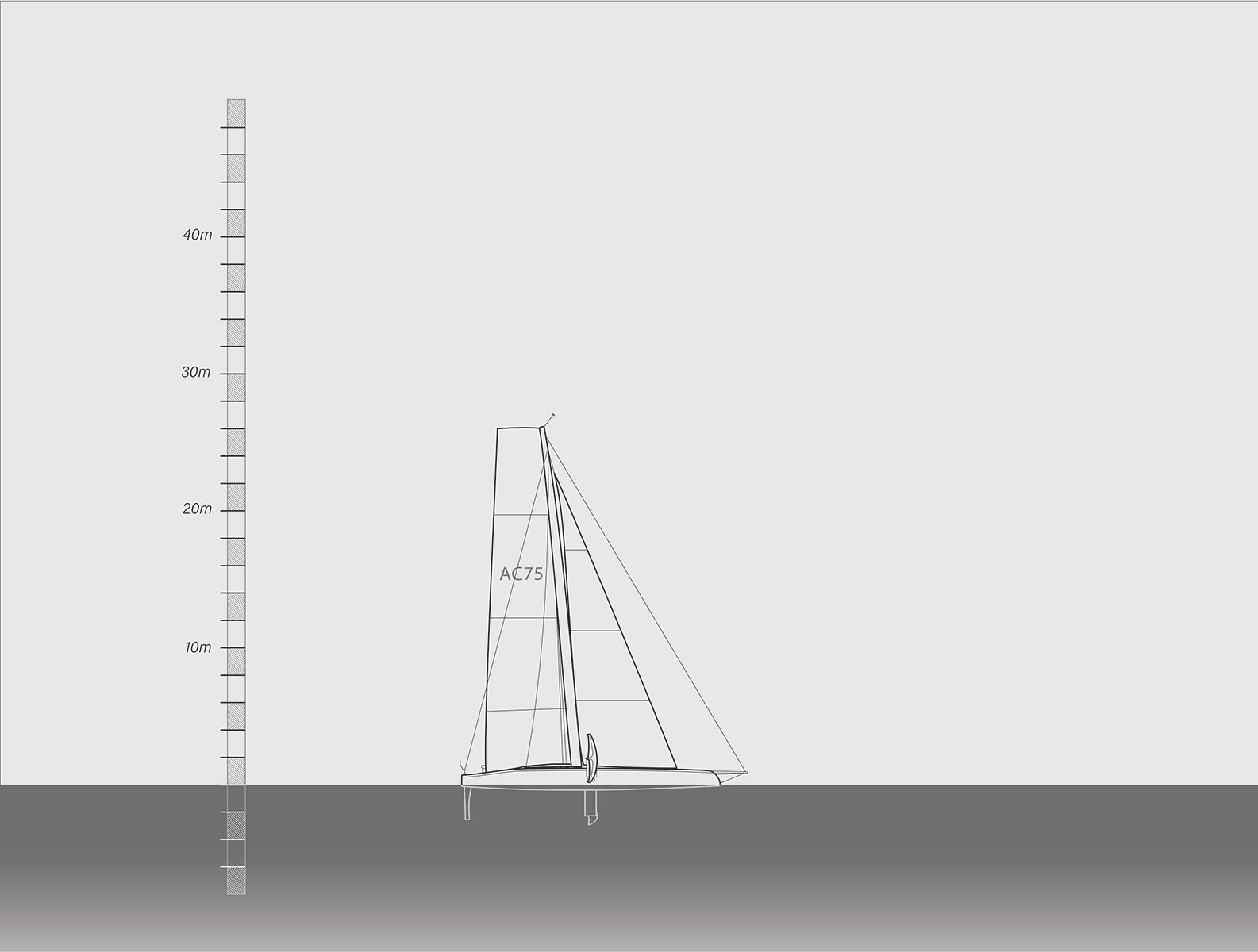
2021: AC75

36th America's Cup
Auckland, New Zealand

The future is now

The 36th America's Cup took place on the Waitematā Harbour, Auckland, in March 2021. Catamarans had divided opinions among America’s Cup enthusiasts and Team New Zealand decided to return the format to monohulls, while retaining the speed and excitement of foiling. An exciting new class of boat was raced, the AC75, a foiling monohull the likes of which had never been seen before. These boats could reach speeds of around 50 knots (93km/h).

Emirates Team New Zealand raced their second generation AC75, Te Rehutai, against PRADA Cup challenger series winners, Italy’s Luna Rossa Prada Pirelli. The first three days of racing saw the teams go head-to-head. The Kiwis were down 3-2, before really hitting their stride and winning the next five races to successfully defend the Cup.

PRADA Cup result

Circolo della Vela Sicilia (Italy) beat Royal Yacht Squadron (UK) 7-1.

America's Cup result

The Royal New Zealand Yacht Squadron beat the Circolo della Vela Sicilia (Italy) 7-3.

DL07 TE REHUTAI.jpg

Te Rehutai on day one of testing, 2020.

Photograph courtesy of Emirates Team New Zealand