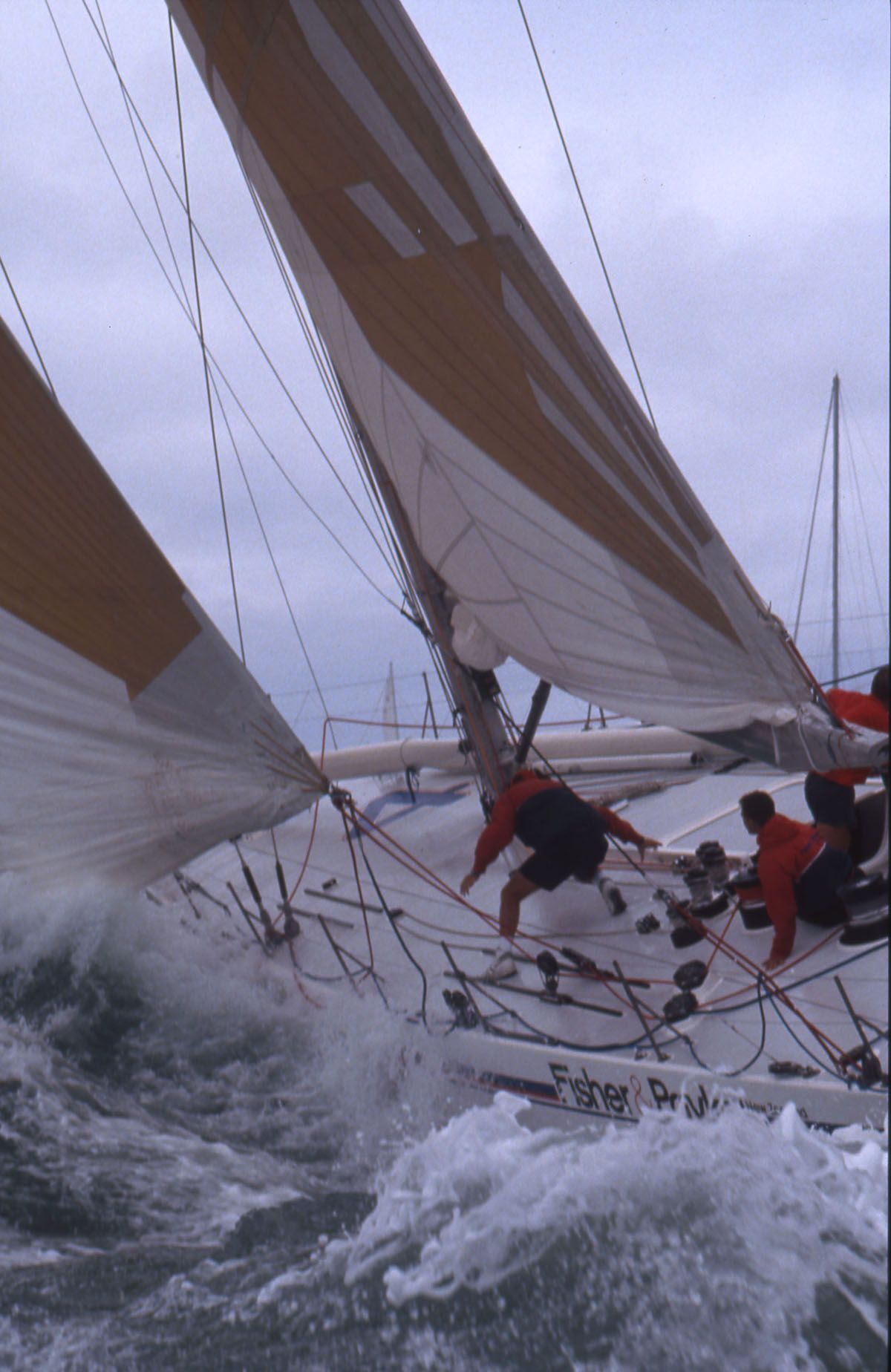
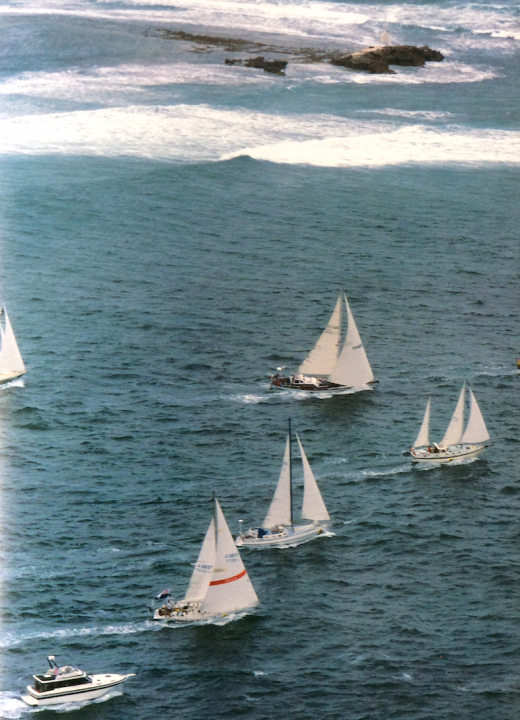
New Zealand entry Fisher & Paykel sailing hard in the Whitbread, 1989-90.

Photographer unknown, Sea Spray Collection, New Zealand Maritime Museum Hui Te Ananui a Tangaroa

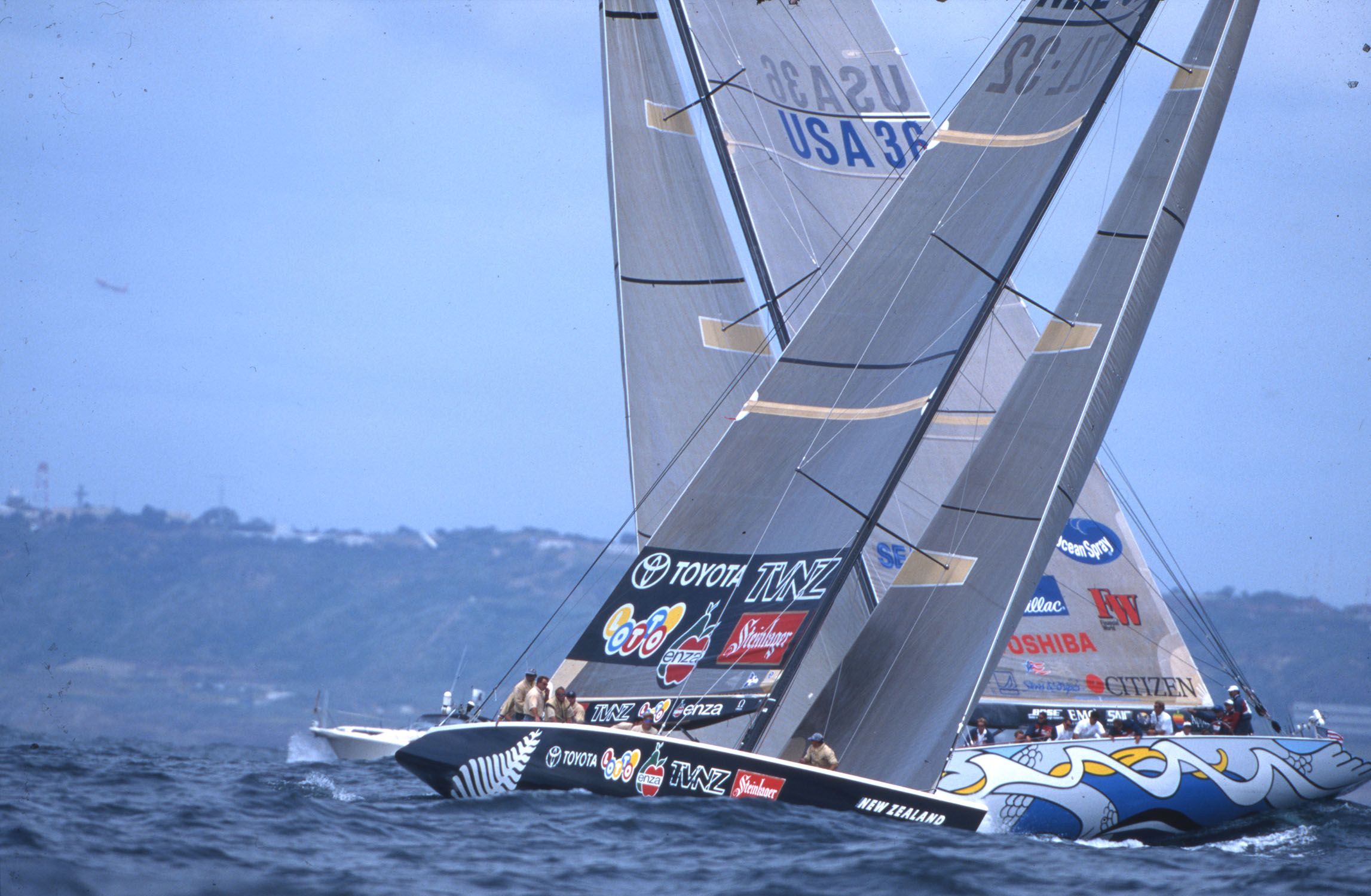
New Zealand has a proud America's Cup history, with wins in 1995, 2000, 2017 and 2021. Here NZL32 and Young America duel in 1995.

Photograph by and courtesy of Daniel Forster

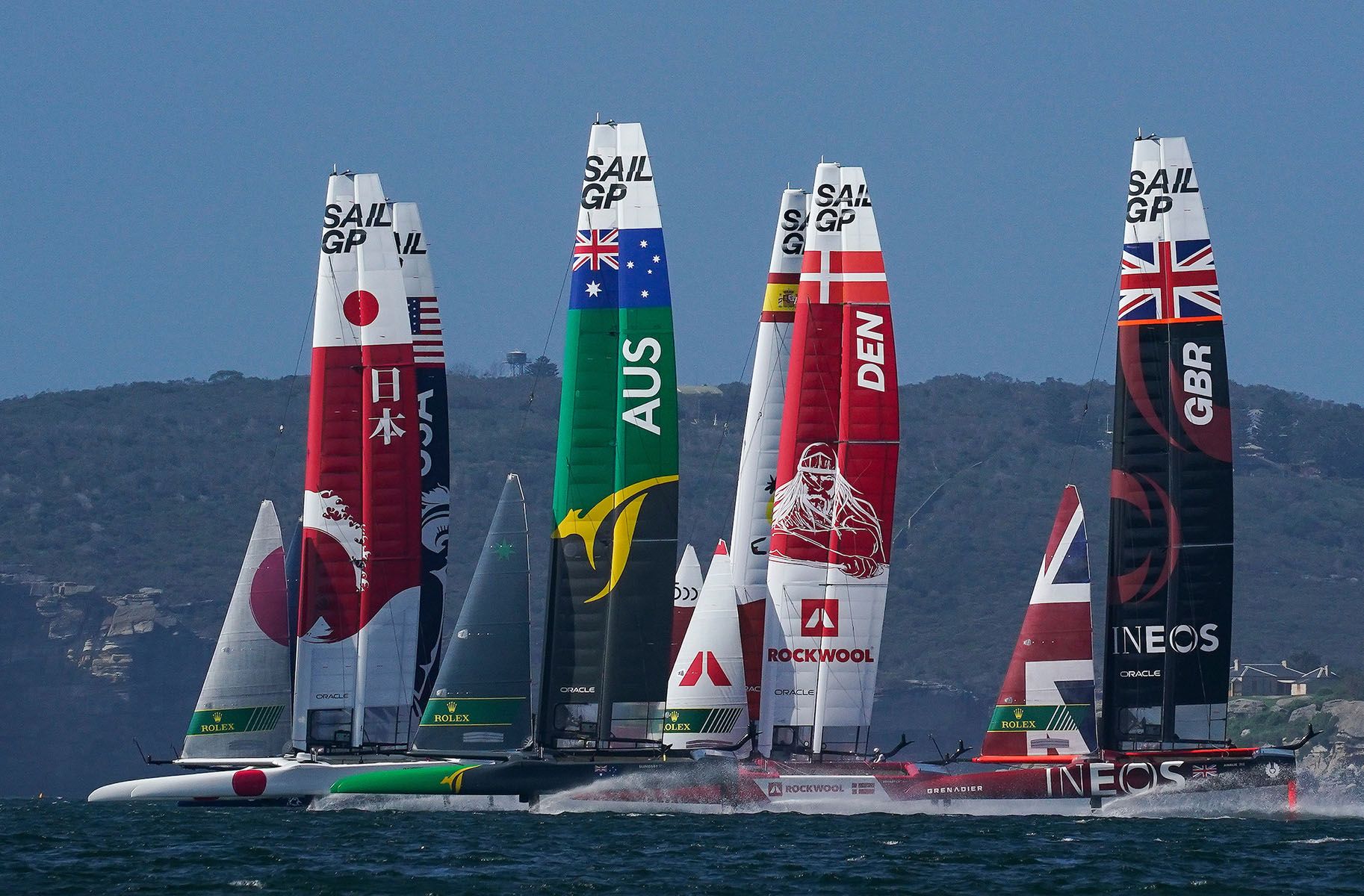
The fleet start a practice race ahead of Sydney SailGP, Event 1 Season 2 in Sydney Harbour, Sydney, Australia, 27 February 2020.

Photograph by Bob Martin for SailGP, courtesy of SailGP

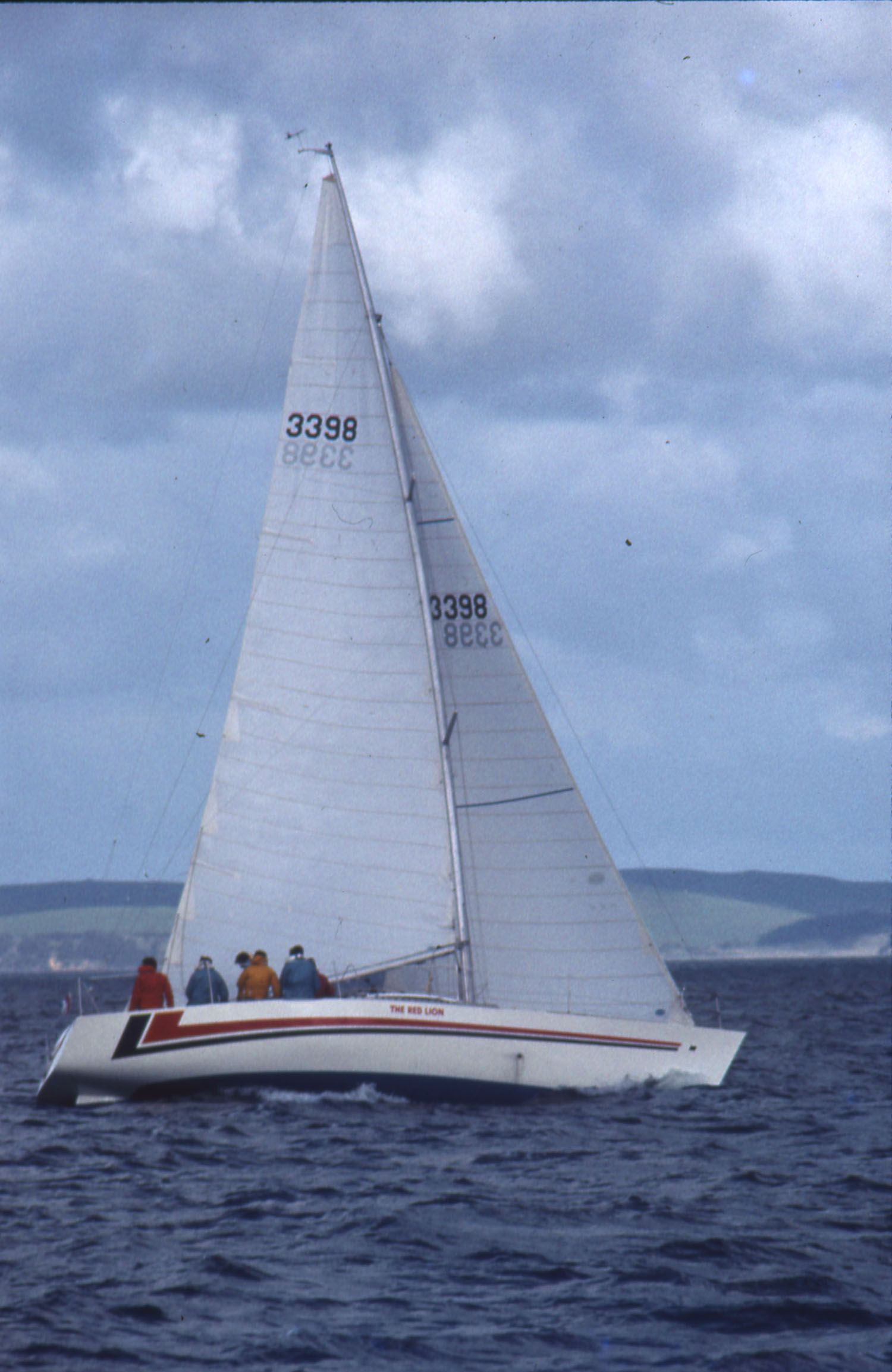
Following from Chris Bouzaid’s success in the 1969 One Ton Cup in Rainbow II, New Zealand interest and participation in the competition soared. Programmes from the One Ton Cup series, Auckland, 1977, the year Aucklander Stuart Brentall won in Red Lion.

Reproduced courtesy of the Royal New Zealand Yacht Squadron

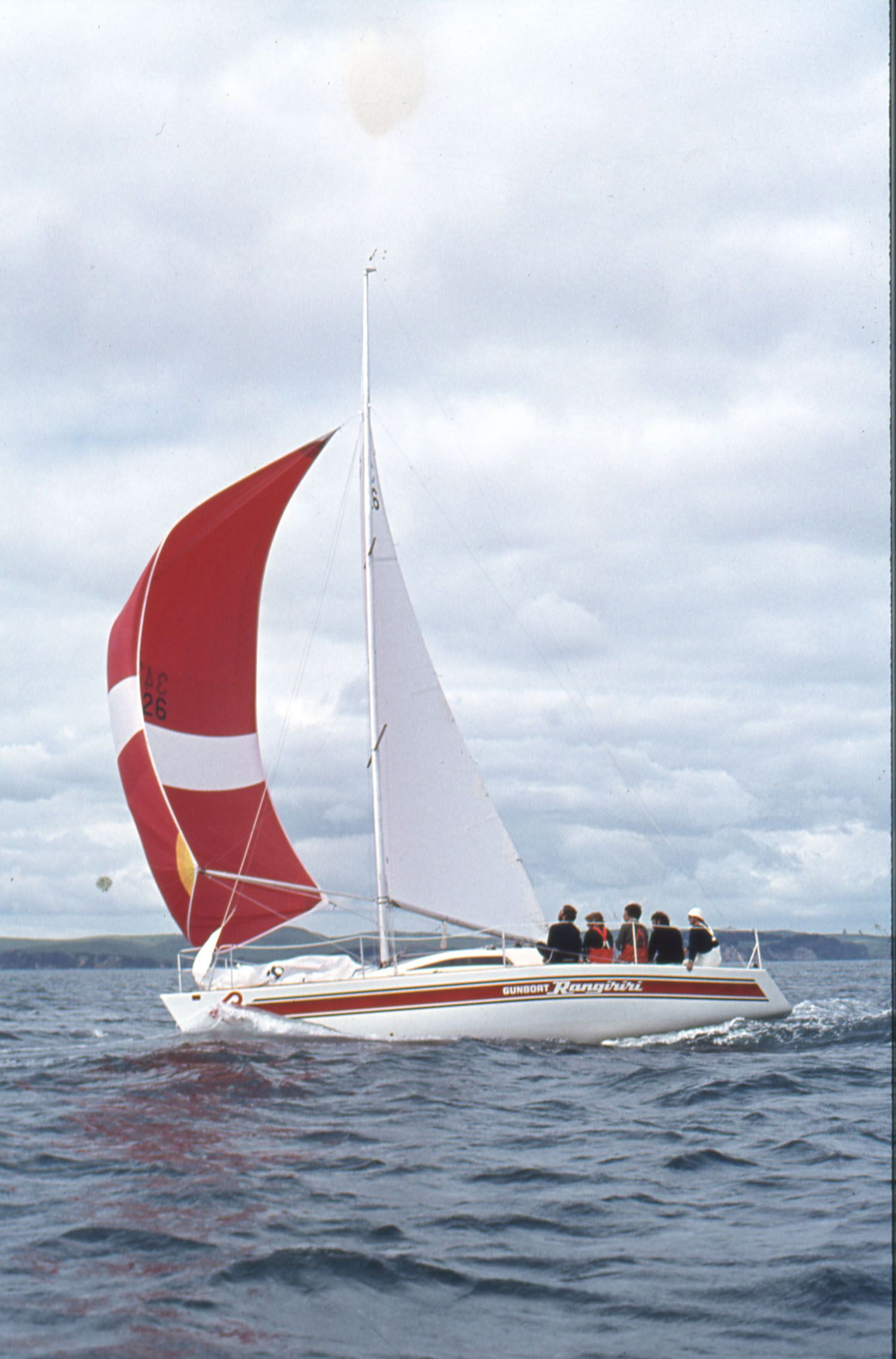
New Zealanders enjoyed many successes in the Half Ton Cup. Gunboat Rangiriri, a Bruce Farr design and a winner in 1977.

Photographer unknown, Sea Spray Collection, New Zealand Maritime Museum Hui Te Ananui a Tangaroa

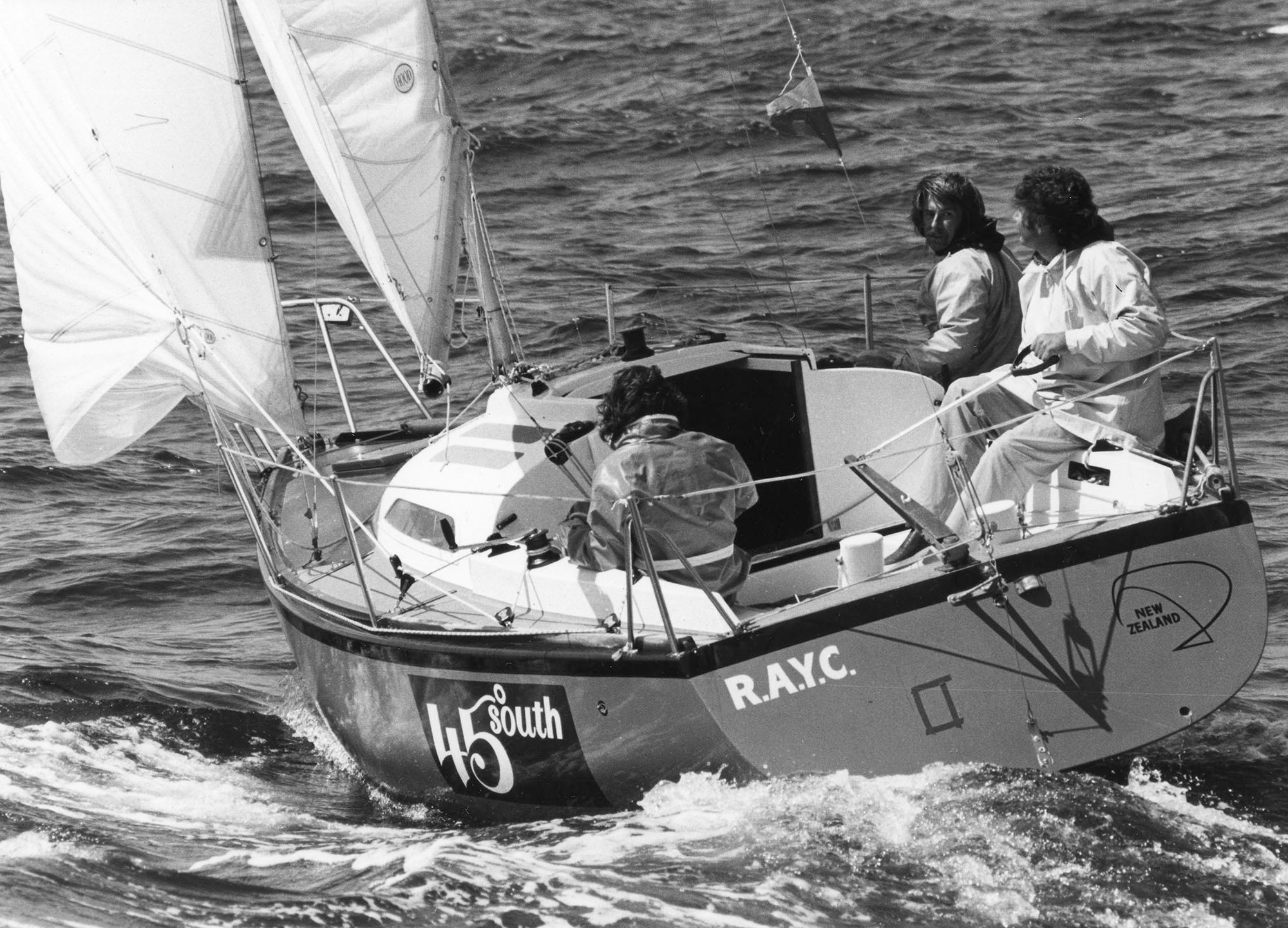
New Zealand successes in the Quarter Ton Cup followed those in the one ton and half ton competitions in the mid-1970s. 45° South, winner of the Quarter Ton Cup, 1975.

Photographer unknown, Sea Spray Collection, New Zealand Maritime Museum Hui Te Ananui a Tangaroa

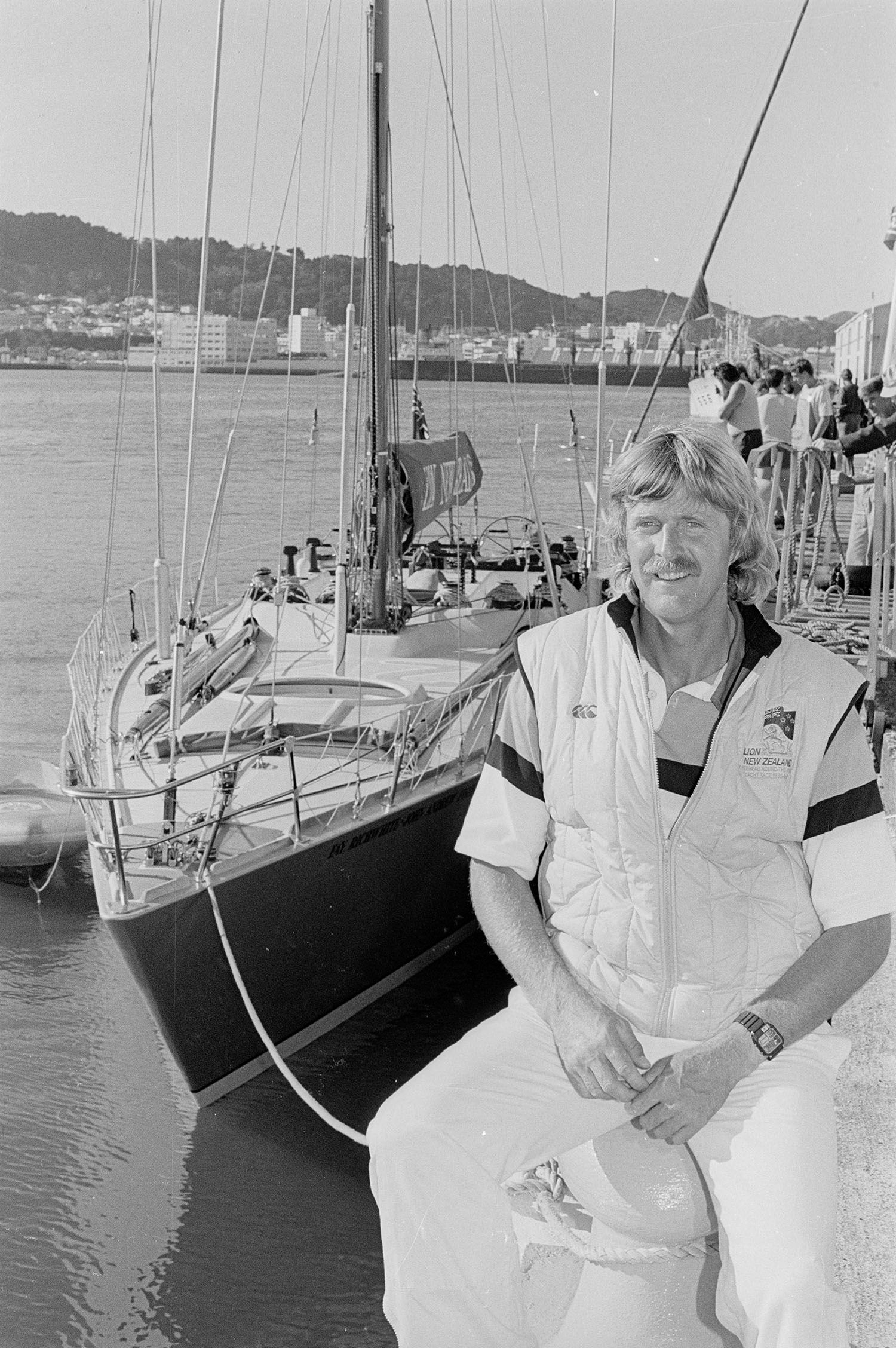
Lion New Zealand, skippered by Peter Blake, won line honours in the Sydney Hobart in 1984. For the 25th anniversary in 2009, she raced again with a crew including Peter’s daughter Sarah-Jane, as well as children of others from 1984's crew.

Photograph by Merv Griffiths, Dominion Post, Alexander Turnbull Library (EP/1985/0682/4-F)

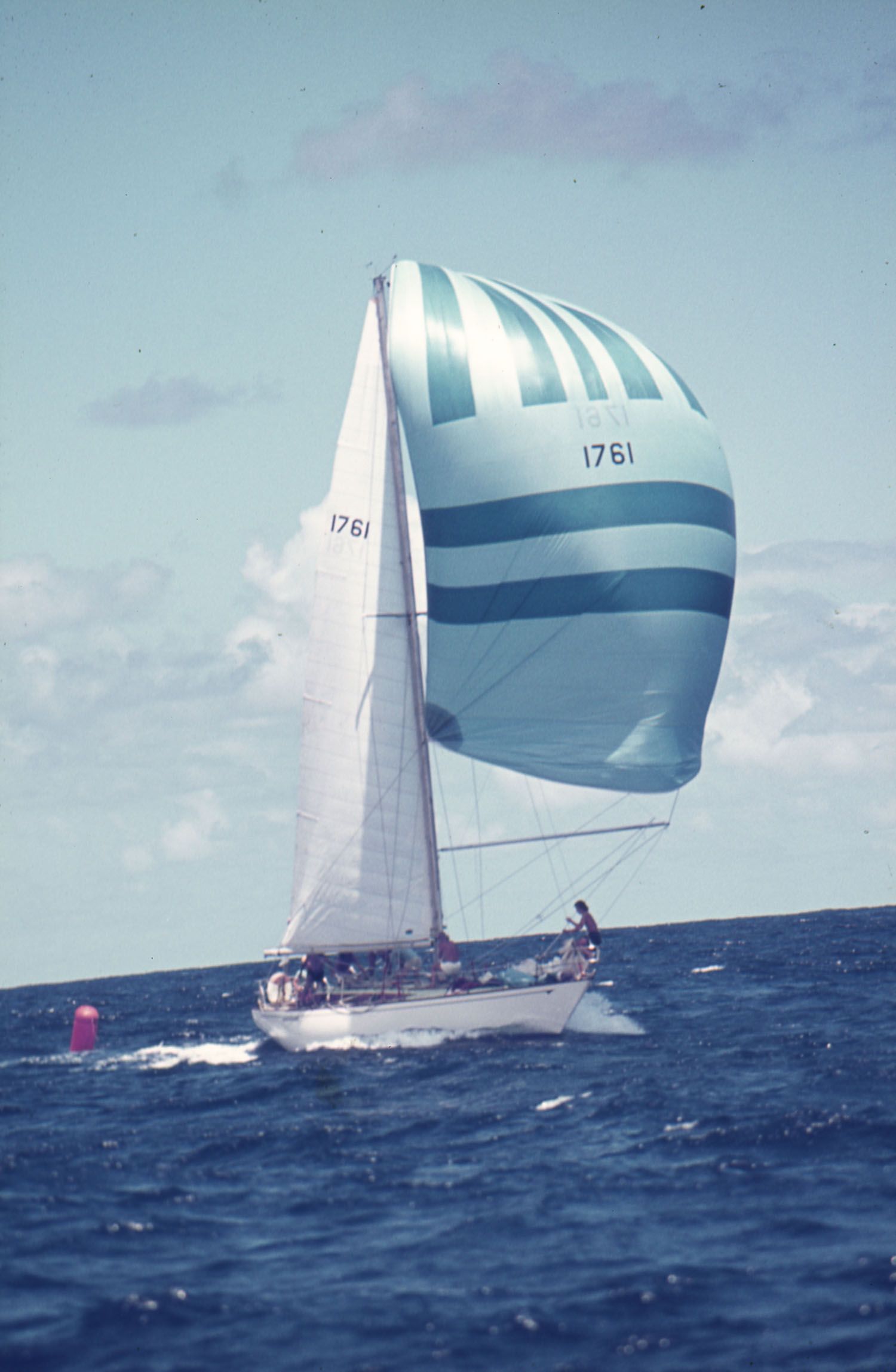
Quicksilver winning the Southern Cross Cup, 1975. New Zealand teams won the cup in 1971, 1975, 1977 and 1983.

Photographer unknown; Sea Spray Collection, New Zealand Maritime Museum Hui Te Ananui a Tangaroa

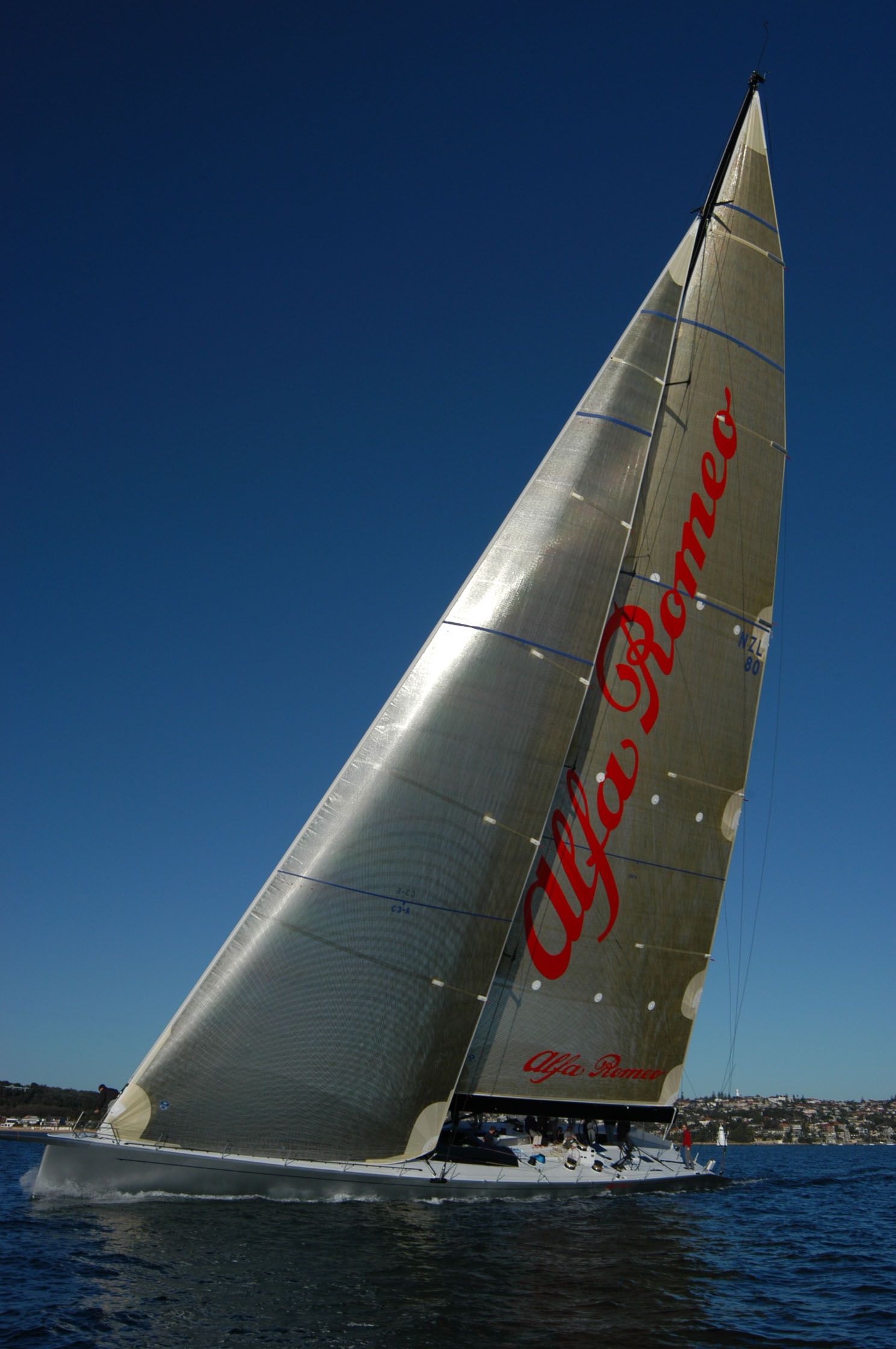
Alpha Romeo I, owned and skippered by Kiwi yachtsman Neville Crichton smashed the race record in 2009 by more than a day, arriving in Hawaii in the fastest time in the 103-year history of the event. The record remained until 2017.

Ateco Automotive Australia Pty Ltd. (CC BY-SA 3.0)

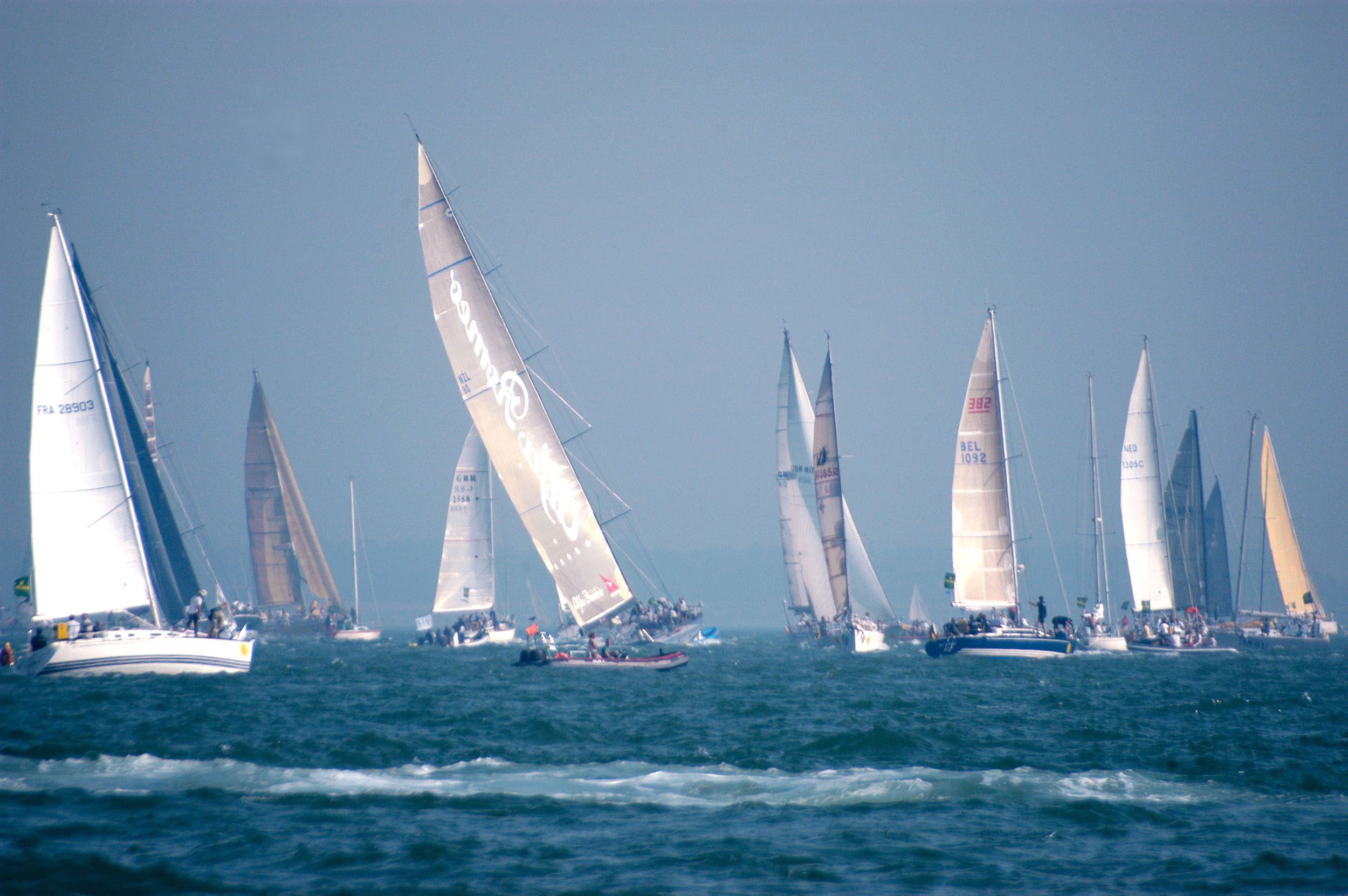
Alfa Romeo I racing near Isle of Wight, 2003. New Zealand yachts that have won Line Honours include Steinlager II (1989), Alfa Romeo I (2003), and Maximus (2005). New Zealanders Bruce Farr, Greg Elliot and Ron Holland have all designed Fastnet winners.

Photograph by Apis | Abramis/Alamy Stock Photo

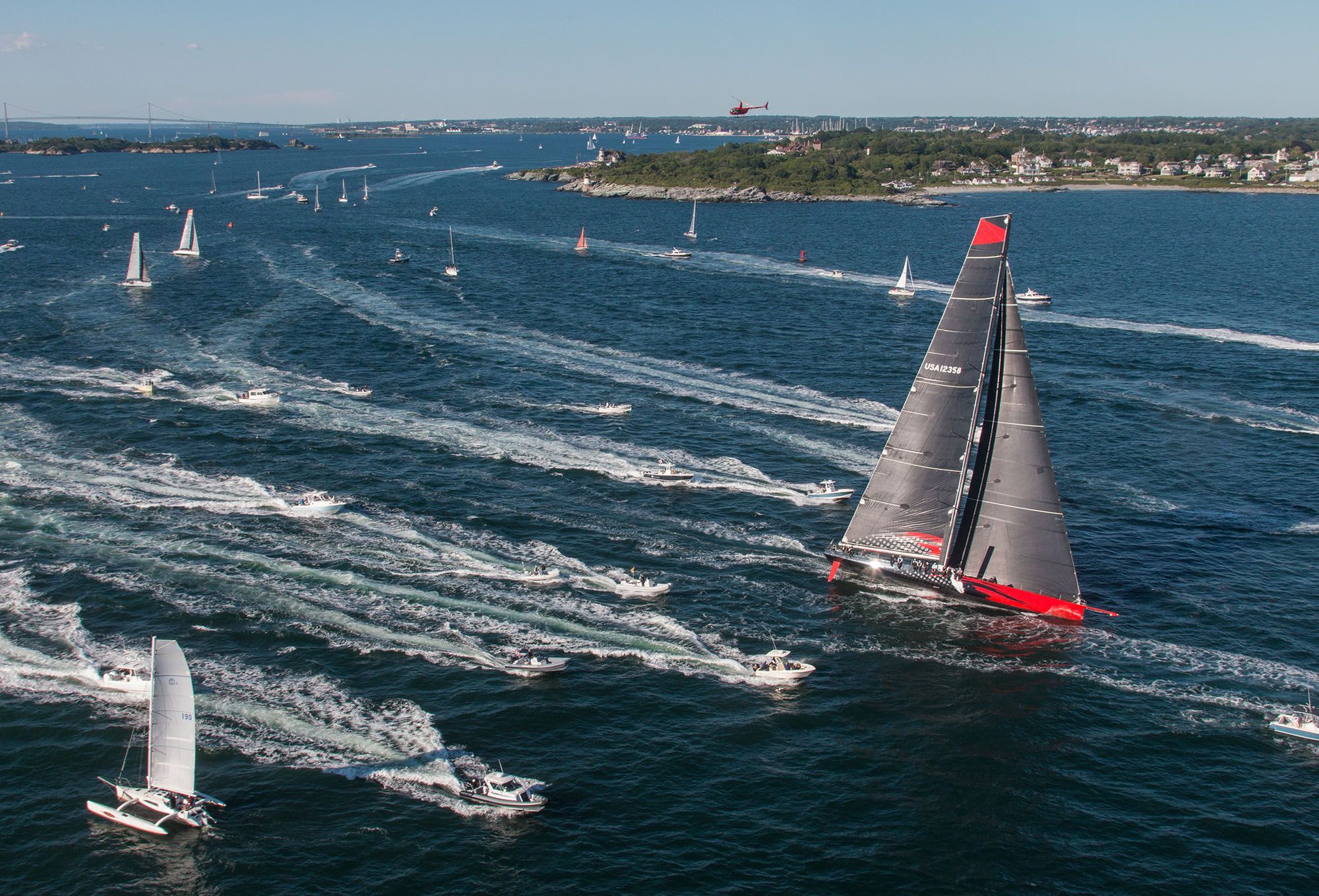
The 100 ft yacht Comanche USA won line honours in 2016's 50th Newport to Bermuda race with four New Zealand sailors in the team, breaking the existing record by over four hours.

Photograph by and courtesy of Daniel Forster

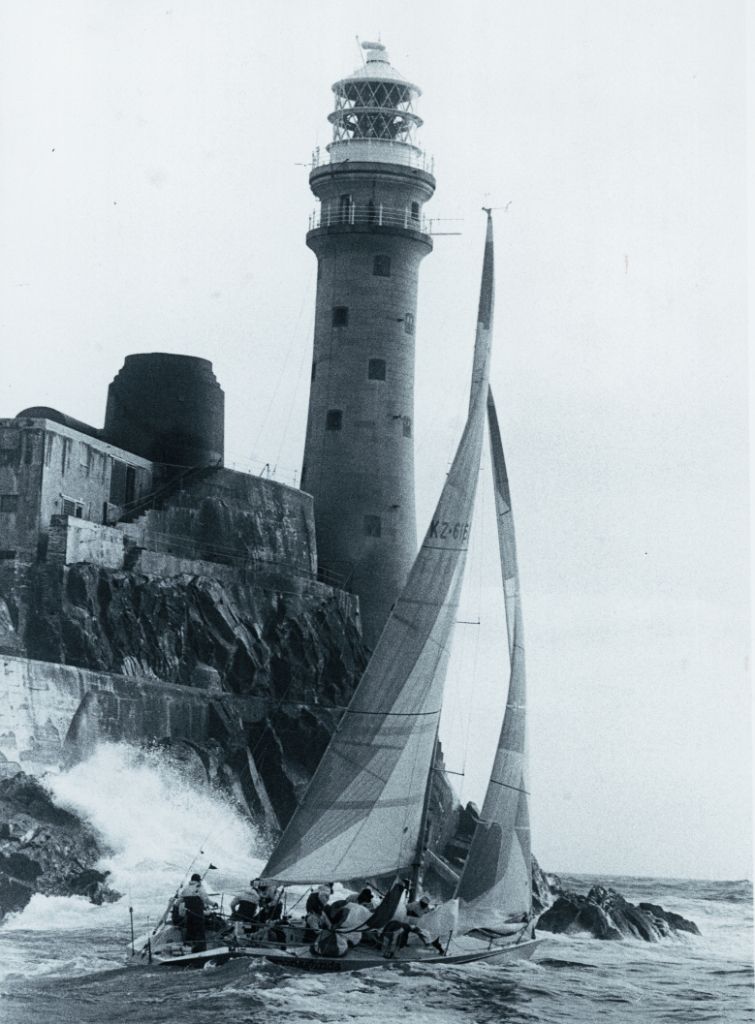
New Zealand, despite only debuting in 1971, is one of only eight countries to have won the Admiral’s Cup. The 1987 win was the result of 24 moths of planning. Propaganda rounding the Fastnet Rock lighthouse on course to winning the Admiral’s Cup in 1987.

Photographer unknown, New Zealand Maritime Museum Hui Te Ananui a Tangaroa

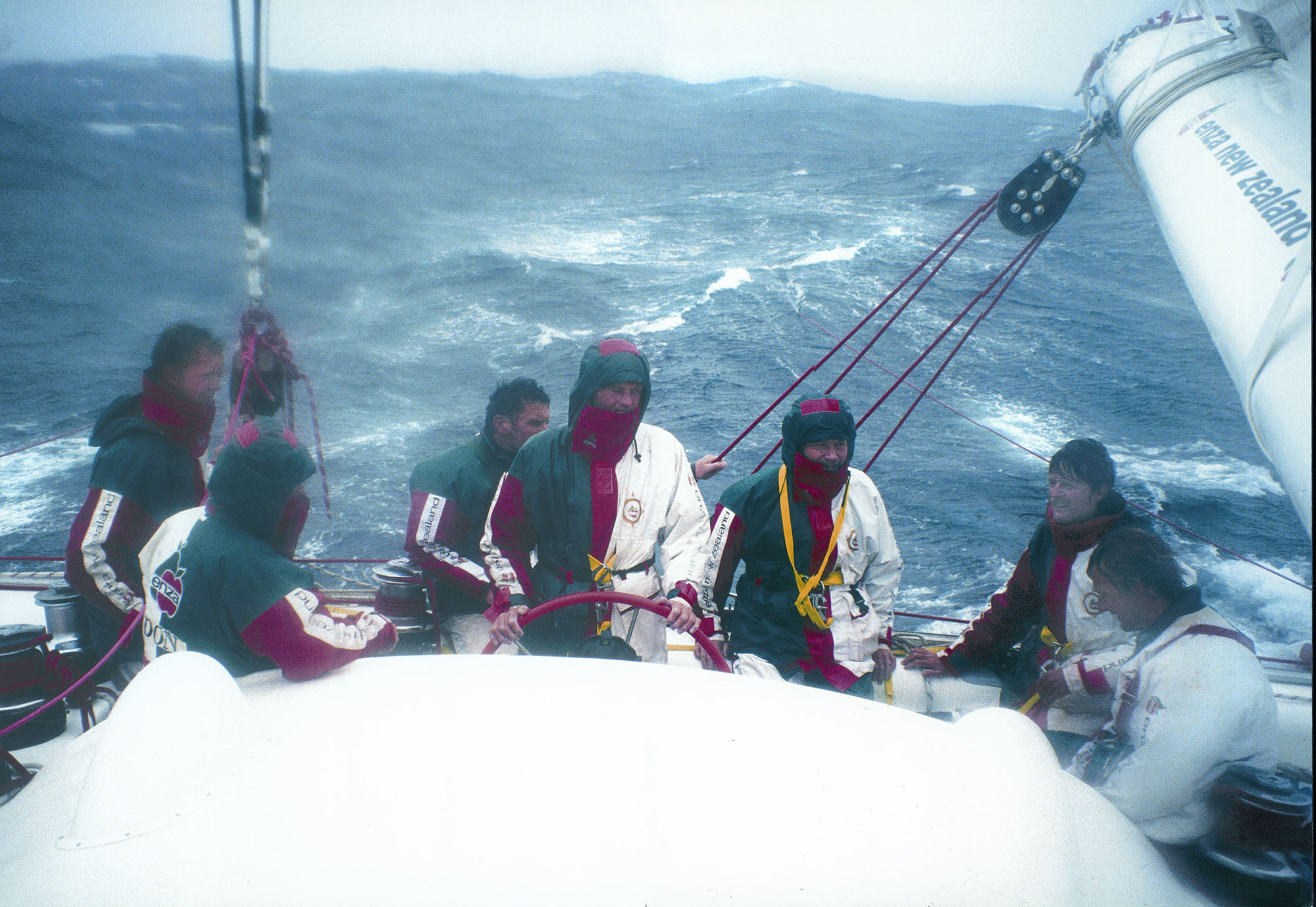
The Enza New Zealand crew face heavy weather, 1994. Peter Blake skippered her to the trophy in 1994 in 74 days, bettering the previous record by over 4 days.

Photograph by and courtesy of George Johns, Sea Spray Collection, New Zealand Maritime Museum Hui Te Ananui a Tangaroa

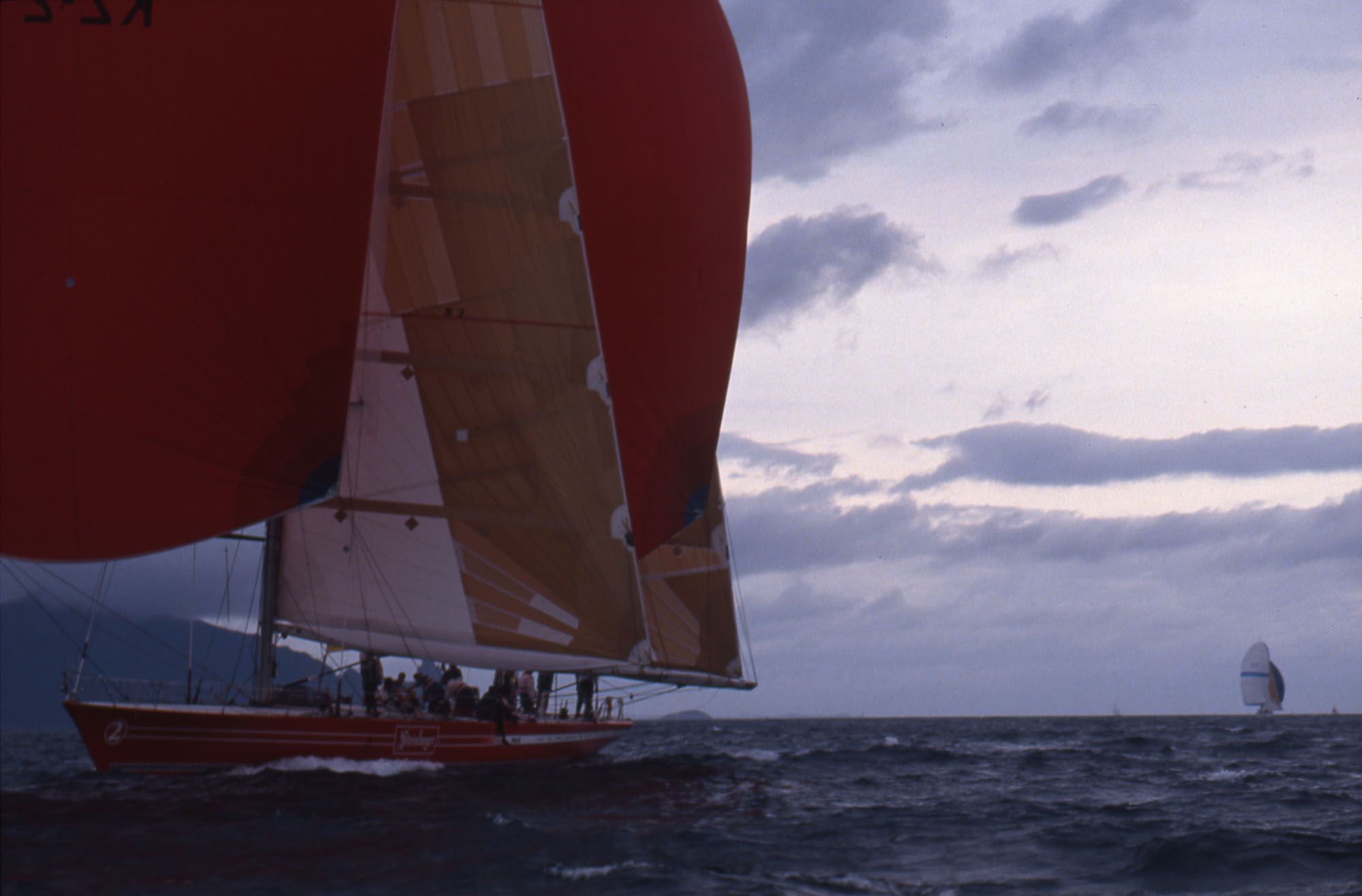
Peter Blake skippered Steinlager 2 leads Grant Dalton skippered Fisher & Paykel as the two yachts race down the coast to Auckland, January 1990. Kiwi boats first and second to Auckland was a dream finish for the vast numbers of home town spectators.

Photographer unknown, Sea Spray Collection, New Zealand Maritime Museum Hui Te Ananui a Tangaroa

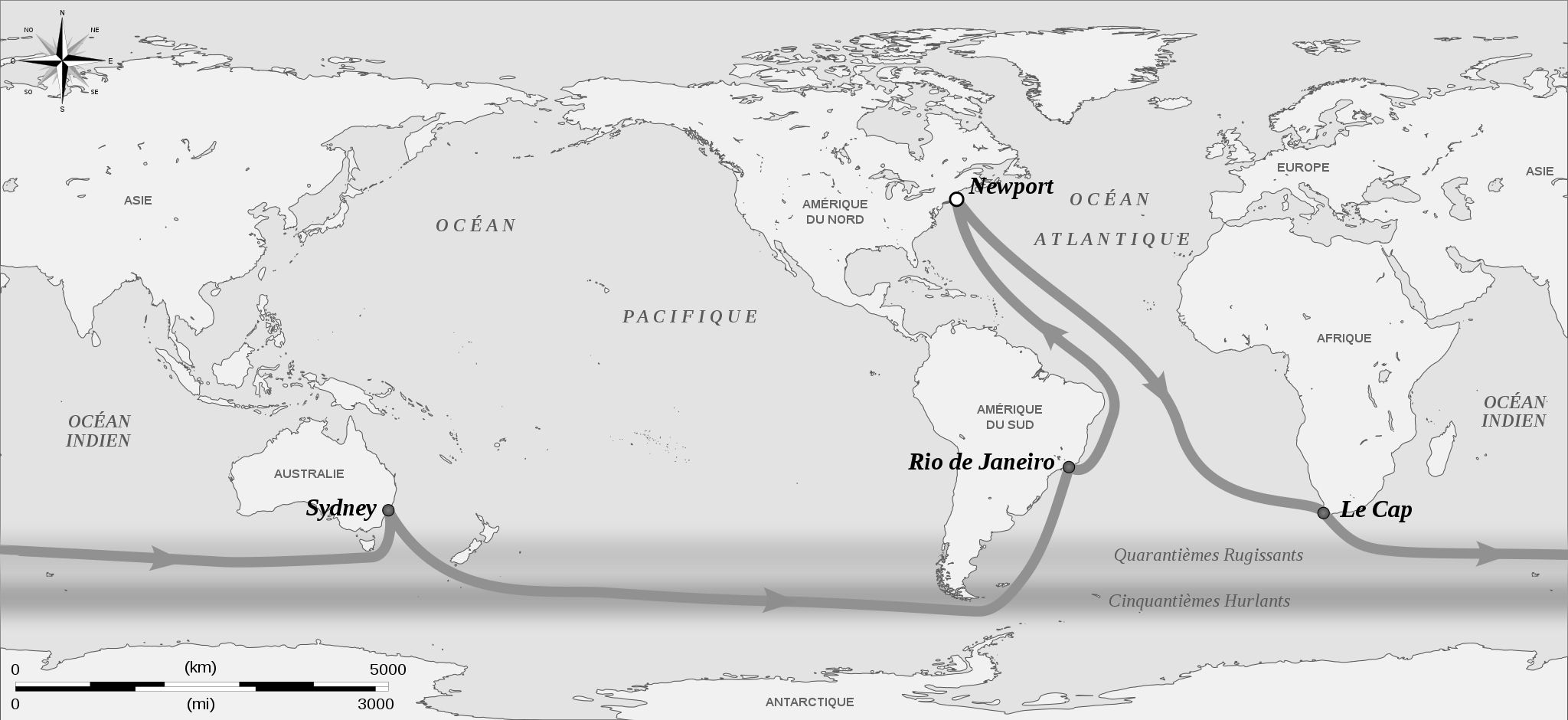
Three New Zealanders competed in the event before ended in 2011. Richard McBride in 1982-83 and 1986-87, Greg Coles in 1982-83, and Graham Dalton in 2002 and 2006-07. This map shows the course for the 1982-83 and 1986-87 events.

Flappiefh Sémhur (CC BY-SA 3.0)

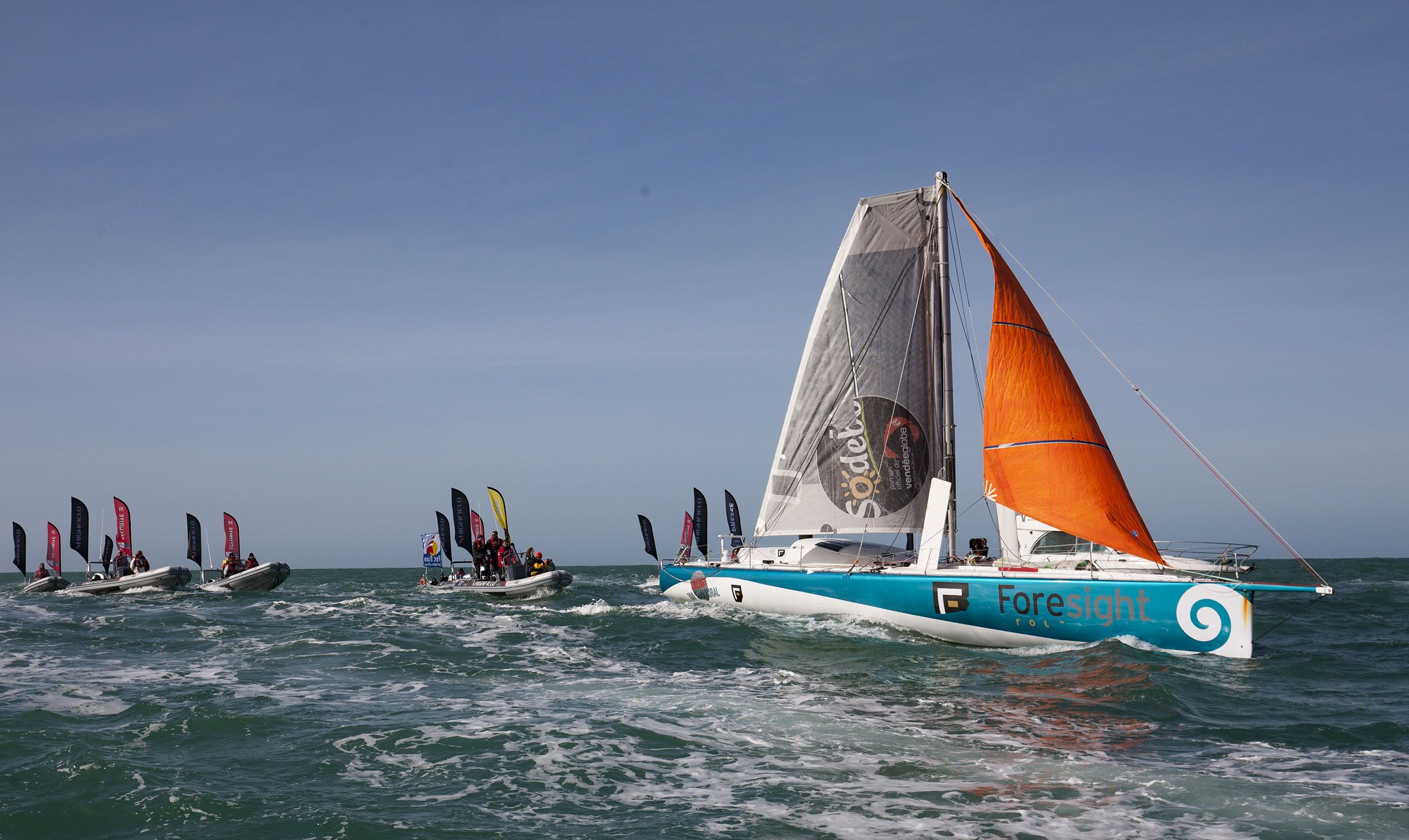
New Zealand-skippered Foresight Natural Energy, 2017. Although the mast broke towards the end of the course, Conrad' Colman's improvised a jury rig carried the yacht to the finish. Conrad was the first skipper to complete the Vendée powered entirely by renewable energy.

Photographs by and courtesy of Christophe Breschi

Yachts departing Port Phillip heads, 1987. Skipper Digby Taylor and crewman Colin Akhurst competed in the inaugural race in 1987. Tragically, Akhurst died after their yacht hit a submerged object. Taylor was rescued 18 hours later.

Photograph courtesy of Melbourne Osaka Cup

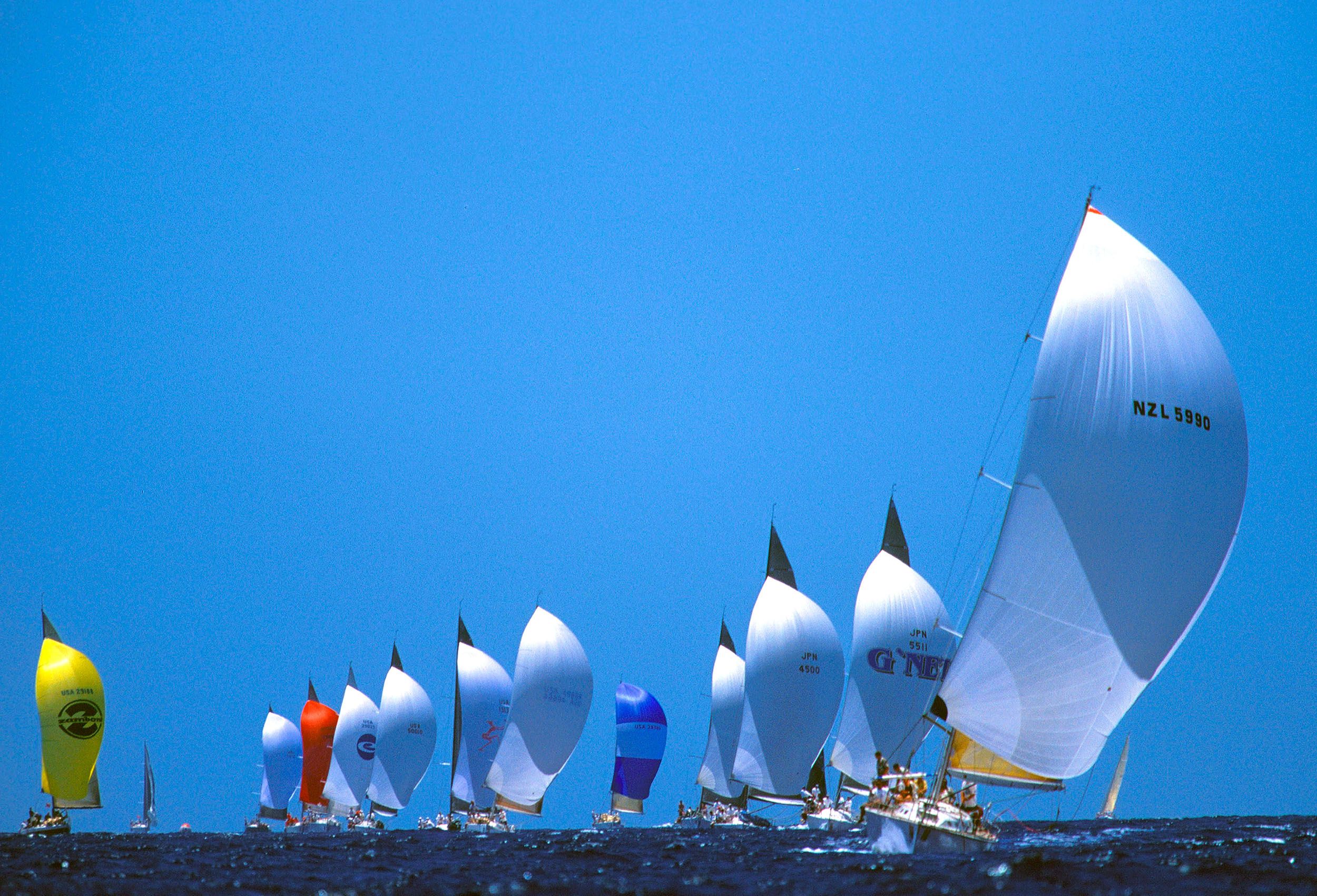
New Zealand won the Cup three times – 1986, 1998 and then successfully defending it in the final year in 2000 (pictured).

Photograph by Buzz Pictures/Alamy Stock Photo

OCEAN RACING EVENTS

Regardless of whether events are short, or if they take place over several months; whether races are crewed or solo events; numerous global competitions have tested sailors in every environment imaginable whether offshore, ocean racing, or round-the-world sailing.

Explore some of the races that New Zealand sailors and teams have been competing in over the years.

Please note that information on this database may not be comprehensive. If you spot any omissions or errors, or would like to contact us about additional stories or objects, please contact: [email protected]

AMERICA'S CUP

Since 1851

The America’s Cup is the oldest international sporting trophy, also known as the ‘Auld Mug’.

Format

Short course, fully crewed, match race

Class

Varies (AC75 in 2021)

Course/location

Determined by host yacht club

Frequency

Every four years

SAILGP

Since 2019

SailGP was created by Oracle co-founder Larry Ellison and champion New Zealand yachtsman Sir Russell Coutts. It is a global sailing championship contested by the sport's top athletes, with grand prix events held around the world and a grand final where the winning team takes home sailing's largest monetry prize – US$1. The competition's high performance foiling catamarans are maintained and operated by SailGP and technical data is open-source and shared between teams.

Known as

Global nation vs nation racing league

Format

Short course, fully crewed, mixture of fleet and match racing

Class

F50 foiling catamaran, which exceed speeds of 50 knots (nearly 100kph)

Course/location

Windward, leeward course format

Frequency

Annual

SAILGP JP1_0112.jpg

Peter Burling and Blair Tuke (with Russell Coutts) announcing their involvement as part of the newly formed New Zealand SailGP Team.

Photograph courtesy of courtesy of SailGP

ONE TON CUP

1899–1994; 1999–

The One Ton Cup was considered the pinnacle of offshore yachting – originally presented in 1898 for the French class ‘Un Tonneau’ (a tonnage certificate of up to one ton).

Known as

Coupe Internationale du Cercle de la voile de Paris (original name, 1907–1962)

Format

Varies. Offshore (later short course), fully crewed, fleet race

Class

Varies. Corel 45 class (1999–2002) FAST40+ (2016–)

Course/location

Varies. Held in New Zealand in 1971 and 1977

Frequency

Annual

ONE TON Cup programme 2.jpg

5WP03 One Ton Cup programme 1.jpg

Notice of race and programme from the One Ton Cup series, Auckland, 1977.

Reproduced courtesy of the Royal New Zealand Yacht Squadron

HALF TON CUP

1967–93

A spin-off class from the popular One Ton Cup. Following rule changes, the Half Ton Classics Cup has been held every two years from 2003 and annually from 2014.

Format

Short course, fully crewed, fleet race

Class

Half ton

Course/location

Varied

Frequency

Annual

QUARTER TON CUP

1968–97; 2005–

The Quarter Ton Cup was given to winning yachts of this class of smaller keelboats between 1968 and 1997. Since 2005 the cup was revived as part of Cowes Week, although there have also been quarter ton races in France, Ireland and the Netherlands.

Format

Short course, fully crewed, fleet race

Class

Quarter ton

Course/location

Windward, leeward course format. Part of Cowes Week since 2005.

Frequency

Annual

ROLEX SYDNEY HOBART YACHT RACE

Since 1945

The Sydney Hobart was the culminating race in the series for the Southern Cross Cup. New Zealand designer Bruce Farr has designed 15 overall winners.

Known as

Sydney Hobart

Format

Off shore, fully crewed, fleet race

Class

Monohulls

Course/location

630 nautical miles (1,170 km) between Sydney and Hobart.

Frequency

Annual

SOUTHERN CROSS CUP

1967–2001; 2013–14; 2019

The Southern Cross Cup was introduced after an Australian team first won the famous Admiral's Cup in England and based on that format.

Format

Varied. Regatta of events, culminating in Sydney Hobart Race

Class

Monohulls

Course/location

Sydney

Frequency

Varied

TRANSPACIFIC YACHT RACE

Since 1906

The Transpacific Yacht race is considered one of the premier off shore races in the world.

Known as

Transpac

Format

Off shore, fully crewed, fleet race

Class

Monohulls and multihulls that meet US SER requirements

Course/location

San Pedro (near Los Angeles) to Diamond Head, Hawaii (2,560 nautical miles / 4,121 km)

Frequency

Annual

FASTNET RACE

Since 1925

Named after Fastnet Rock, which the course rounds, the Fasnet Race was originally part of the Admiral’s Cup.

Known as

Fastnet Challenge Cup

Format

Off shore (but tests inshore skills too), fully crewed/ two person, fleet race

Class

Originally monohull only, but opened up to multihulls

Course/location

Cowes, Isle of Wight – Land's End – Fastnet Rock – Isles of Scilly – Plymouth (1925–2019) / Cherbourg (since 2021).

Frequency

Every two years

NEWPORT BERMUDA RACE

Since 1906

The Newport Bermuda Race is considered perhaps the oldest regularly run ocean race in the world, involving to date 3 million miles of racing in nearly 5,000 boats with nearly 50,000 sailors, mostly amateurs (many in family crews).

Format

Off shore, fully crewed, fleet race

Class

Monohulls over 33 feet, multihulls, superyachts, various divisions

Course/location

635 Nautical Miles (1,175 km) from Newport, Rhode Island, USA to Hamilton, Bermuda

Frequency

Every two years

ADMIRAL’S CUP

1957–2003

The Admiral’s Cup is the unofficial world championship of offshore racing. National teams compete in six races off the southern coast of England within Cowes Week, culminating in the 605-mile (975-kilometre) Fastnet Cup race. Other events like the Southern Cross Cup and the Kenwood Cup were based on the Admiral's Cup format using a long classic race for the event’s climax.

Format

Off shore, fully crewed, fleet race

Course/location

Cowes, Isle of Wight

Frequency

Every two years

JULES VERNE TROPHY

Since 1993

The Jules Verne Trophy is a prize for the fastest non-stop circumnavigation of the world by any type of yacht.

Format

Ocean, non-stop, fully crewed, fleet race

Class

Open

Course/location

Around the world. The start/finish line is defined by an imaginary line between Creac'h lighthouse on Ouessant Island, France and the Lizard lighthouse, UK. Boats have to circumnavigate the world with the capes of Good Hope (South Africa), Leewin (Western Australia), and Horn (South America) to port.

Frequency

Whenever challenged


ON DISPLAY

See the winner's replica of the Trophée Jules Verne in this gallery.

THE OCEAN RACE

Since 1973

The longest, toughest professional sporting event in the world. Peter Blake won the race skippering Steinlager 2 in 1989–90 (the only yacht to ever win all six legs) and Grant Dalton on NZ Endeavour four years later.

Known as

Whitbread Round the World Race (1973–2001) Volvo Ocean Race (2001–2019)

Format

Ocean, staged, fully crewed, fleet race

Class

Varied (for 2022-23 two classes: IMOCA 60 and VO65)

Course/location

Around the world. The route changes but usually departs from Europe in October

Frequency

Every three to four years

VELUX 5 OCEANS

1982–2011

The Velux 5 Oceans was the longest and oldest single-handed around-the-world yacht race. The yachts crossed five oceans and travelled 30,000 nautical miles (55,000 km) in five sprints.

Known as

BOC Challenge (1982/83–1994/95)
Around Alone (1998–2006/07)

Format

Ocean, staged, single-handed, fleet race

Class

Varied

Course/location

Around the world. Varied.

Frequency

Every four years

VENDÉE GLOBE

Since 1989

The Vendée Globe is the only non-stop, round the world solo sailing race – the ultimate test in ocean racing, known as the ‘Everest of the Seas’.

Known as

Founded as "The Globe Challenge"

Format

Ocean, non-stop, single-handed, fleet race

Class

IMOCA 60

Course/location

Around the world. Start/finish in Les Sables-d'Olonne, France.

Frequency

Every four years

Vendee2.jpg

MELBOURNE OSAKA CUP

Since 1987

The Melbourne Osaka Cup is one of the only South-North long distance ocean races in the world. The route passes through multiple weather systems and seasons as it crosses the Pacific Ocean.

Known as

Osaka Cup

Format

Ocean, two-handed, fleet race

Class

Category 1

Course/location

5,500 nautical miles from Portsea (near Melbourne), Australia to Osaka on Japan's Honshu Island.

Frequency

Every five years

KENWOOD CUP

1976–2000

The Hawaii-based Kenwood Cup was the a major international teams’ series in ocean racing.

Known as

Pan Am Clipper Cup (1976–86)

Format

Offshore, fully crewed, fleet race

Class

Monohull regatta

Course/location

Multiple courses, Hawaii

Frequency

Every two years