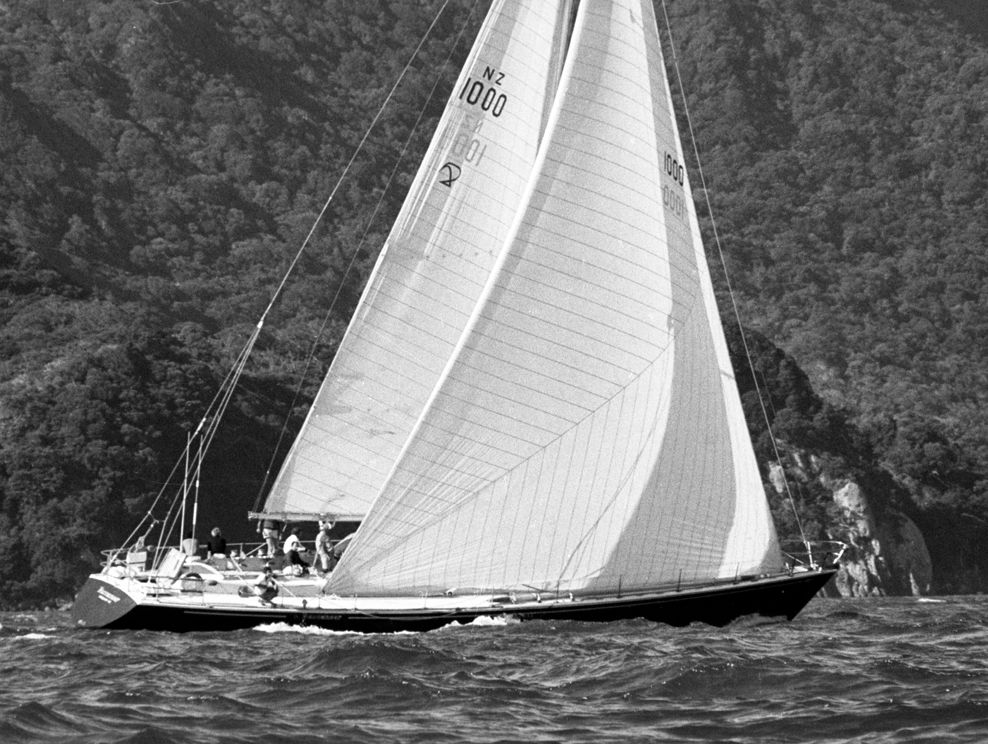
Buccaneer (1970), a 73-foot (22.25m) keel yacht designed by Spencer for Sir Tom Clark, was made with three skins of Dynel-covered plywood. She took line honours in the 1970-71 Sydney–Hobart yacht race while still being fitted out.

Photographer unknown, Sea Spray Collection, New Zealand Maritime Museum Hui Te Ananui a Tangaroa / Profile: Photographer unknown, reproduced courtesy of the New Zealand Herald

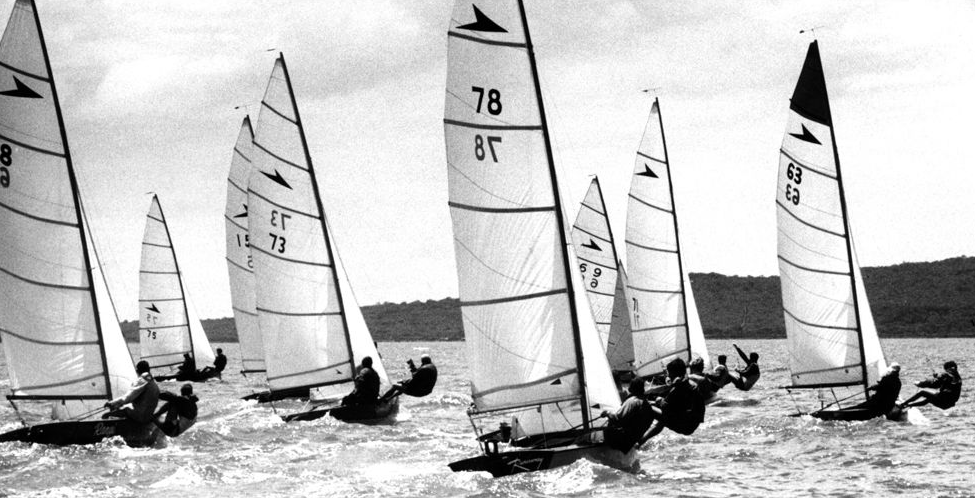
A fleet of Javelins racing. John Spencer designed these ‘racing machines’ in 1959, aiming at fit, able sailors rather than beginners. Javelins had fast planing hulls and included developments such as synthetic sailcloth, alloy spars and stainless-steel rigging.

Photographer unknown, Sea Spray Collection, New Zealand Maritime Museum Hui Te Ananui a Tangaroa

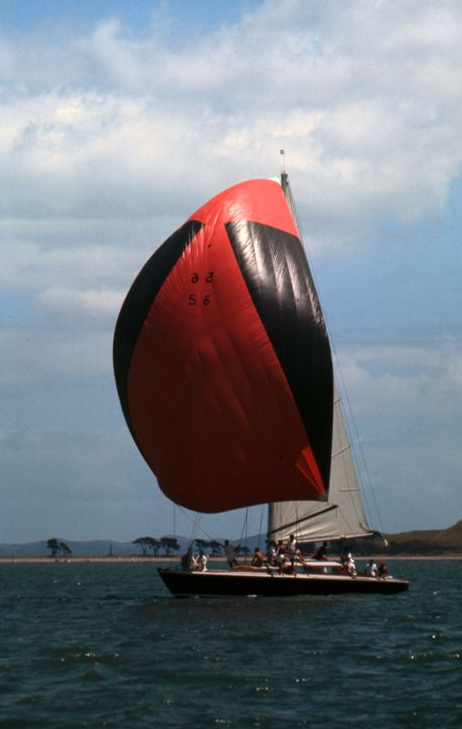
Traditionalists thought Spencer’s keelboat Infidel (1964) was ugly, but no one could deny her speed. She won her first Auckland Anniversary Regatta race and went on to set local records before Sir Tom Clark sold her to American John Hall. She still races as Ragtime.

Photographer unknown, Sea Spray Collection, New Zealand Maritime Museum Hui Te Ananui a Tangaroa

JOHN SPENCER

(1930–1996)

John Spencer was a design innovator, pioneering the use of plywood to build small, fast boats like the Cherub before applying his knowledge to keelboats.


Early influences

John Spencer was born in Melbourne, but came as a young boy to Wellington, where Athol Burns influenced his early ideas about boats. The family later moved to Tauranga and Rotorua.

Spencer worked as an architectural draughtsman for a time, but his interest in yacht design soon took over. Moving to Auckland, he rented premises in Devonport for his business, where he got involved with Bert Woollacott.

Woollacott, like Burns, Spencer said, taught him how to think and do his own thing as a boat designer. He was also inspired by Uffa Fox’s theories.

Plywood magician

Spencer, always an innovator, saw the potential of plywood to create fast, affordable boats that young sailors could build themselves.

His groundbreaking use of this new material would revolutionise the design and construction of small boats – and large boats thereafter. Laurie Davidson called him a plywood magician.

JOHN SPENCER

Cherub – all class

Spencer’s first design, the radical plywood Cherub (1951), was the first New Zealand-designed dinghy to become an international class. Over the two decades from the class’s beginning, more than 2,000 Cherubs were built, nearly all by amateurs.

His next three centreboarder designs of the 1950s – Frostply, Flying Ant and Javelin – all became racing classes. The ‘racing machine’ Javelin quickly acquired a following among fit and able sailors. Today his 2.4m Firebug continues the do-it-yourself legacy.

3WP08 Javelin advert.jpg

Javelin advertisement from Sea Spray, August 1962.

Reproduced courtesy of Sea Spray magazine, New Zealand Maritime Museum Hui Te Ananui a Tangaroa

JOHN SPENCER

Keelboats – international reputation

Spencer soon applied his knowledge to creating fast, lightweight but strong keelboats, starting with his Adrienne class in 1958. Internationally, he is best known for his keelers, which included Infidel (now Ragtime) and Buccaneer.

He designed and built many successful keelboats over the next 30 years, influencing up-and-coming designers. In his later years, he created radio-controlled model yachts.

Today, Spencer’s drawings are considered works of art and his craftsmanship remains greatly admired. Many thousands of sailors today owe their love of yachting to their experience in a Spencer-designed boat.


ON DISPLAY

See the Spencer-designed yachts Feather (Cherub), Bim (Flying Ant) and Jim Beam (Javelin) in the Gallery of Yachts.