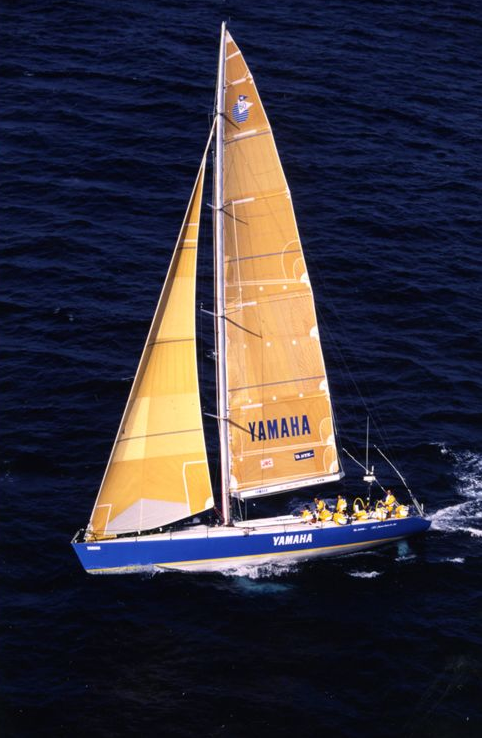
Yamaha, a Whitbread 60 built in 1993 by Cookson Boats.

Yamaha and portrait images: Photographers unknown, Sea Spray Collection, New Zealand Maritime Museum Hui Te Ananui a Tangaroa

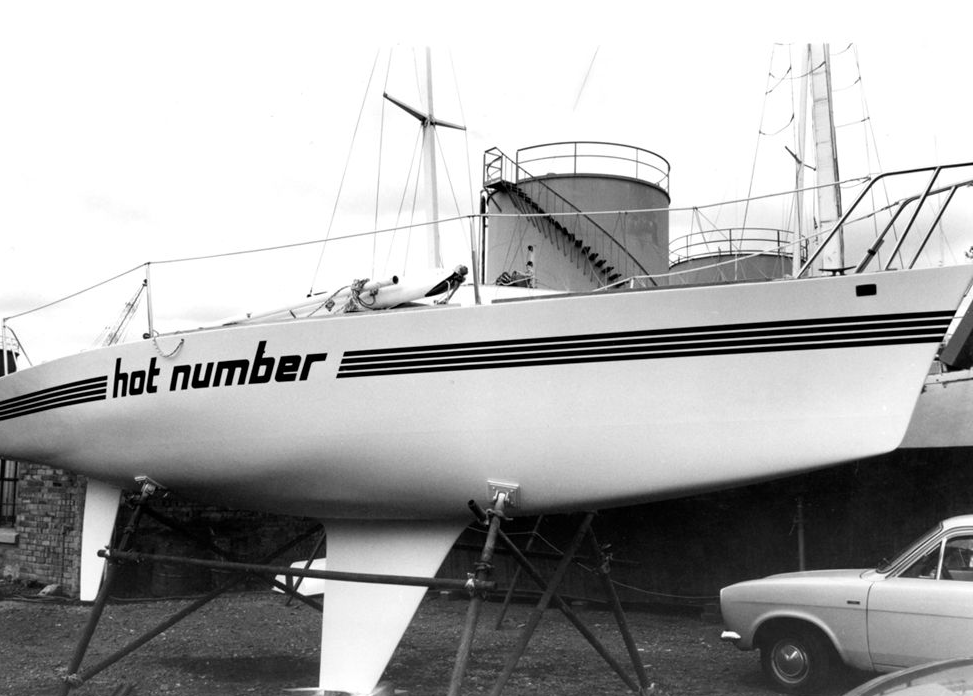
The quarter-ton Hot Number (1979) was the first foam-core fibreglass yacht that the Cooksons built. The boat was a Bruce Farr design.

Photographer unknown, Sea Spray Collection, New Zealand Maritime Museum Hui Te Ananui a Tangaroa

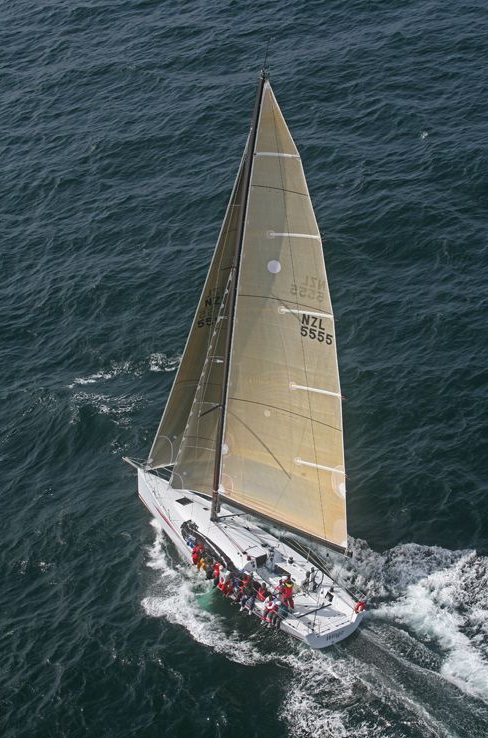
Cookson Boats worked closely with Bruce Farr to develop and launch the prototype Cookson 50 racer–cruiser in 2004.

Photograph by Terry Fong, reproduced courtesy of Cookson Boats

TERRY AND MICK COOKSON

Terry Cookson (1932–)
Mick Cookson (1955–)

Terry and Mick Cookson, the father-and-son team behind Cookson Boats, have built winning yachts for international offshore races and the America’s Cup.


Starting small

Shipwright Terry Cookson emigrated to New Zealand from Glasgow in 1956. He began T. P. Cookson Boat Builders in 1974 in Auckland, initially building small wooden yachts for the local market.

Shortly after, son Mick joined the business – now Cookson Boats – after working for Jim McKay and Salthouse Custom Glass Boats. Father and son would soon be using hi-tech materials and techniques to build custom offshore racers.

TERRY AND MICK COOKSON

Working with Farr – a turning point

In 1979, the Cooksons built the Bruce Farr design Hot Number. This was their first lightweight ‘foam-core’ racing yacht – foam sandwiched between fibreglass formed the hull. The philosophy was ‘lightness plus strength equals speed’.

The Cooksons formed a close relationship with Farr and Russell Bowler of Farr Yacht Design. In 1983, three Cookson-built Farr 40s won the Southern Cross Cup – the first of many international successes.

Throughout the 1980s and 1990s, Cookson-built boats won major offshore events – some several times. Wins included the One Ton Cup, ILC 40 World Championship, Kenwood Cup and World Maxi Championships (Farr ILC Maxi).

TERRY AND MICK COOKSON

America’s Cup and beyond

The 2000 America’s Cup victory of NZL60 was the Cooksons’ most satisfying to date, following eight years of involvement in the regatta.

The Cookson 50 racer–cruiser (2004), developed with Bruce Farr, has been another success. It has a resin-infused carbon-composite hull and a canting keel.

Cookson Boats also built the Greg Elliott-designed supermaxi Maximus, winner of the 2005 Rolex Transatlantic Challenge. Successful round-the-world racers include Steve Fossett’s Cheyenne (known as Playstation when built by the Cooksons), which held the 24-hour sailing record for the previous century.

Cookson Boats continues to produce hi-tech grand prix racing yachts, refining their construction technology in the process and working closely with yacht designers and engineers around the world.